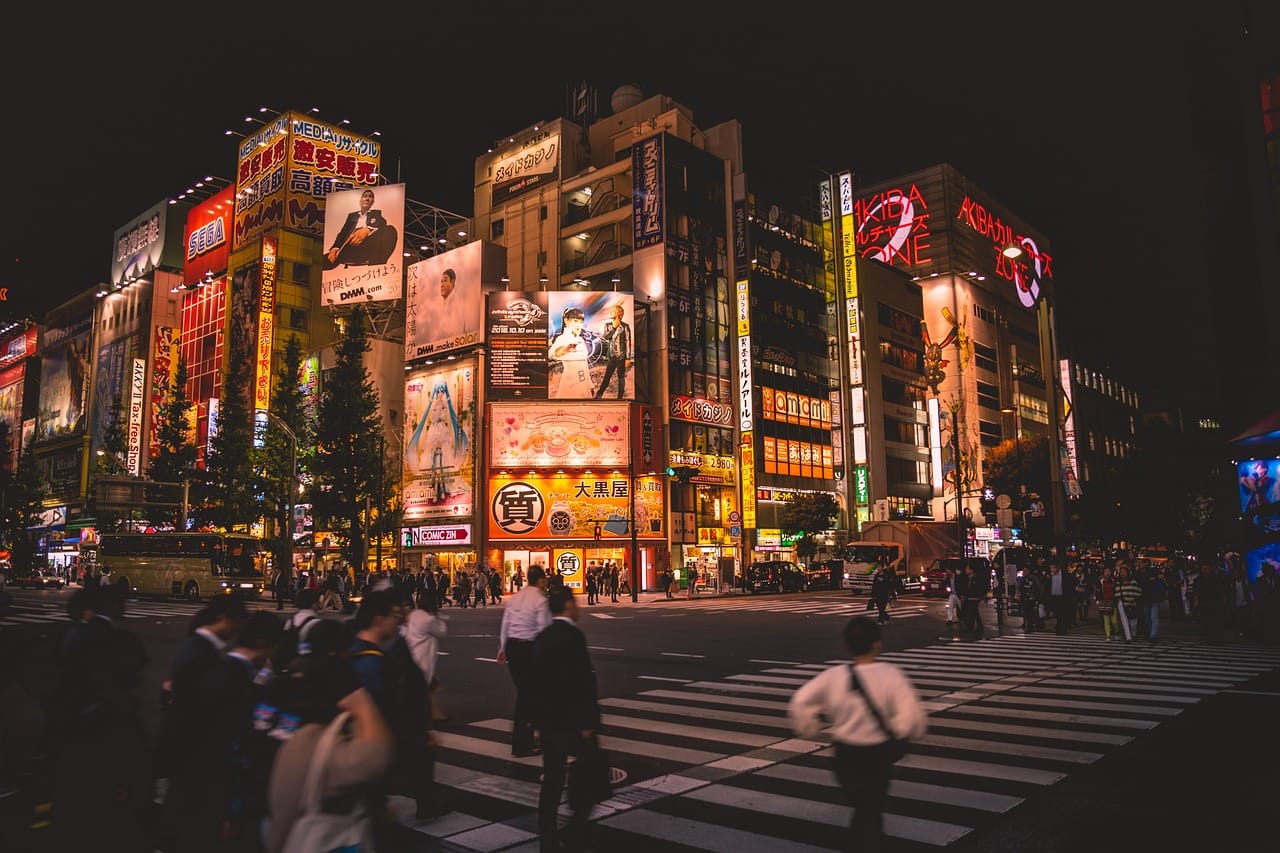
Tokyo, after the last train
Eleven nights between the last train and the first: a quieter Tokyo that exists only while most of its people sleep.
 Kaito Mori
5 min read
Kaito Mori
5 min read
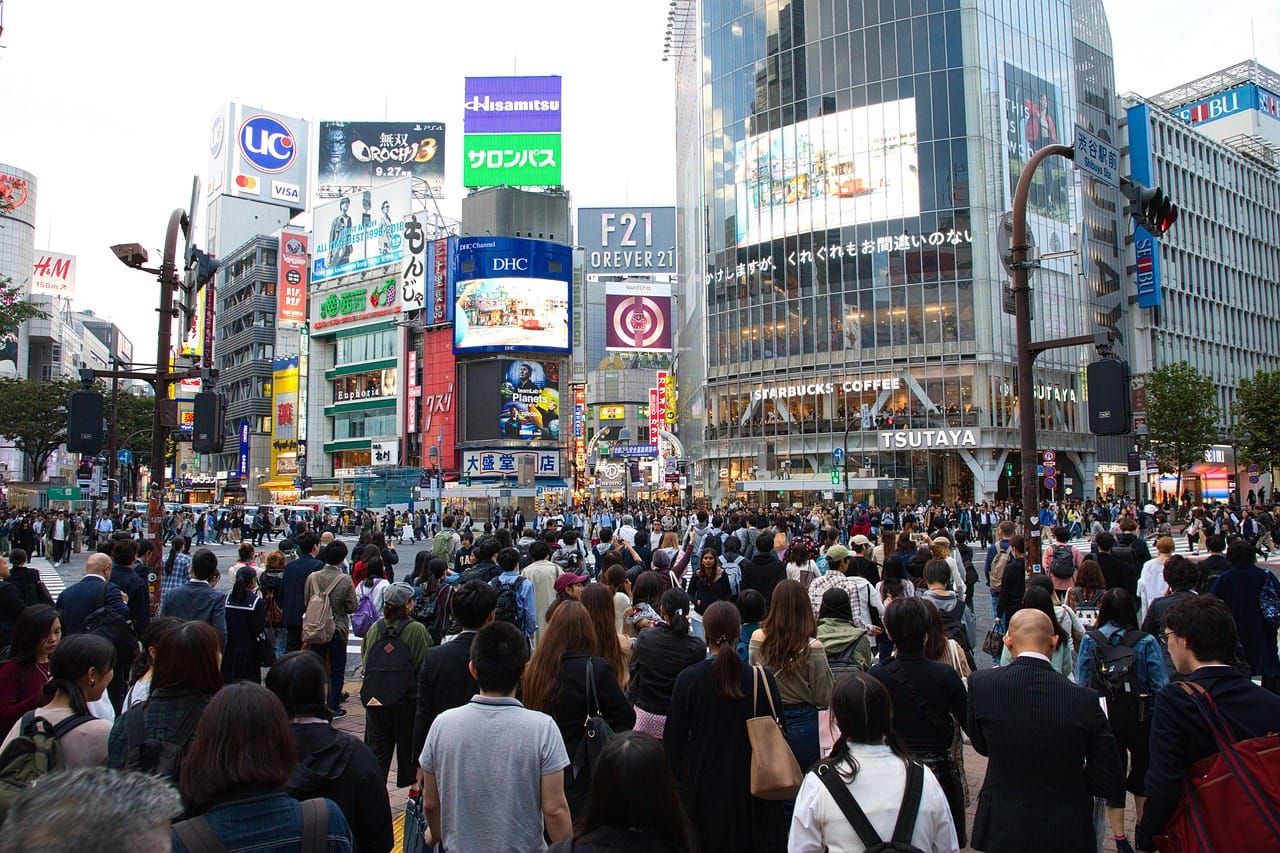
The last Yamanote line train leaves Shibuya a little after midnight. For a few minutes afterwards, the station is a river of people moving in the wrong direction: out, into a city that has just lost its easiest way home. Some hail taxis. Some walk. A surprising number simply stay, and that is where this story begins.
I spent eleven nights photographing Tokyo between the last train and the first, roughly from half past midnight to five in the morning. I carried one camera, one lens and no flash. I wanted to see what the city looks like when it thinks nobody is paying attention.
The five hours nobody plans
Tokyo is famous for running like a clock, and the clock has a gap in it. Between roughly one and five in the morning, the trains stop, the offices are dark and the city switches into a different mode. Convenience stores glow like lanterns. Izakaya pull down their shutters halfway, which means closed to newcomers but not to regulars. Taxis circle slowly, their green "vacant" lights reflected in every wet surface.
The people out at this hour fall into a few loose groups. Office workers who missed the train after a long dinner with colleagues. Students who never meant to catch it. Night-shift workers heading in. And a small, strange population of people who seem to belong to the night itself: the man who sweeps the same stretch of pavement every night at two, the woman who runs a tiny bar with six stools, the delivery riders who know every shortcut in the ward.
At two in the morning, Tokyo stops performing. It becomes a village again.
Kaito Mori
Light that belongs to nobody
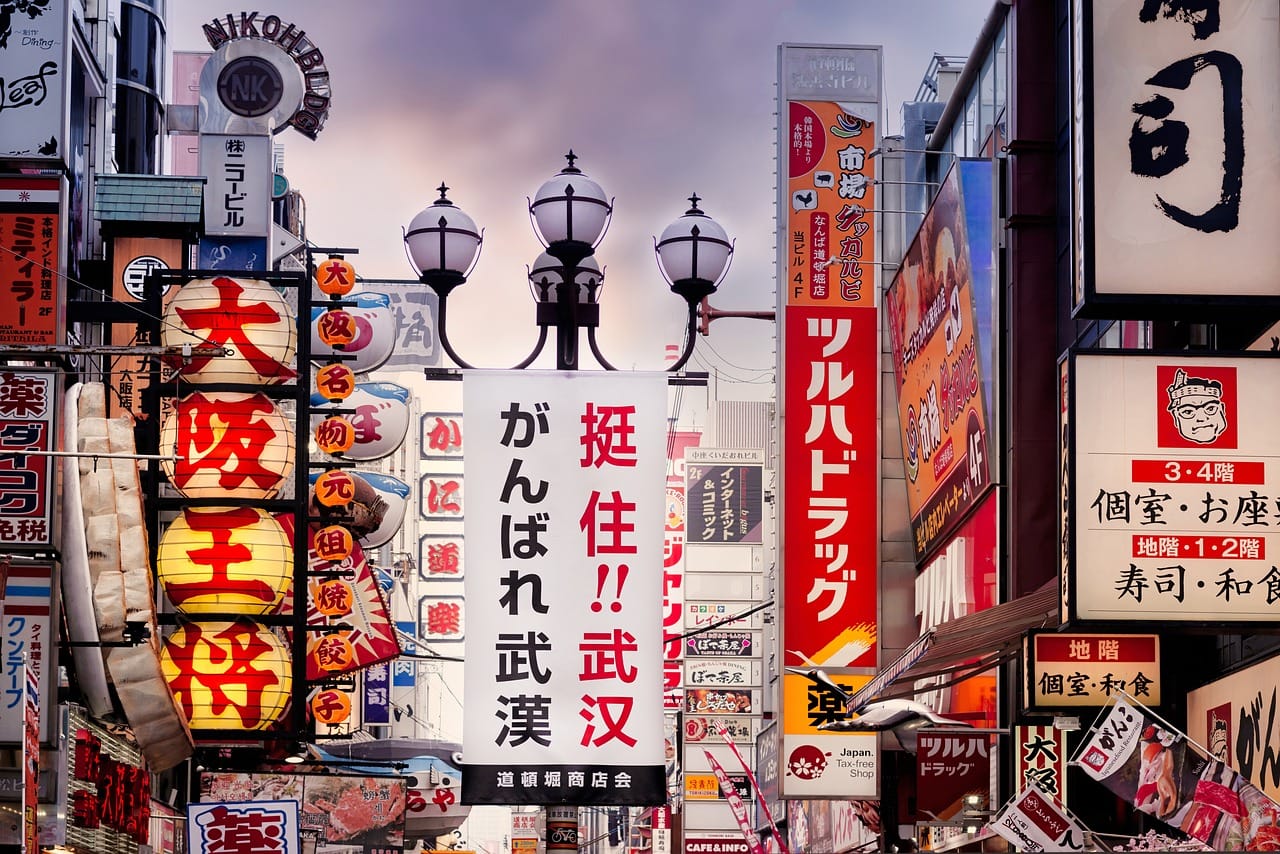
Night photography in Tokyo is, in one sense, easy. The city is so bright that you rarely need a slow shutter. Vending machines alone throw enough light to expose a portrait. The challenge is the opposite: there is too much light, from too many sources, all of it a different colour.
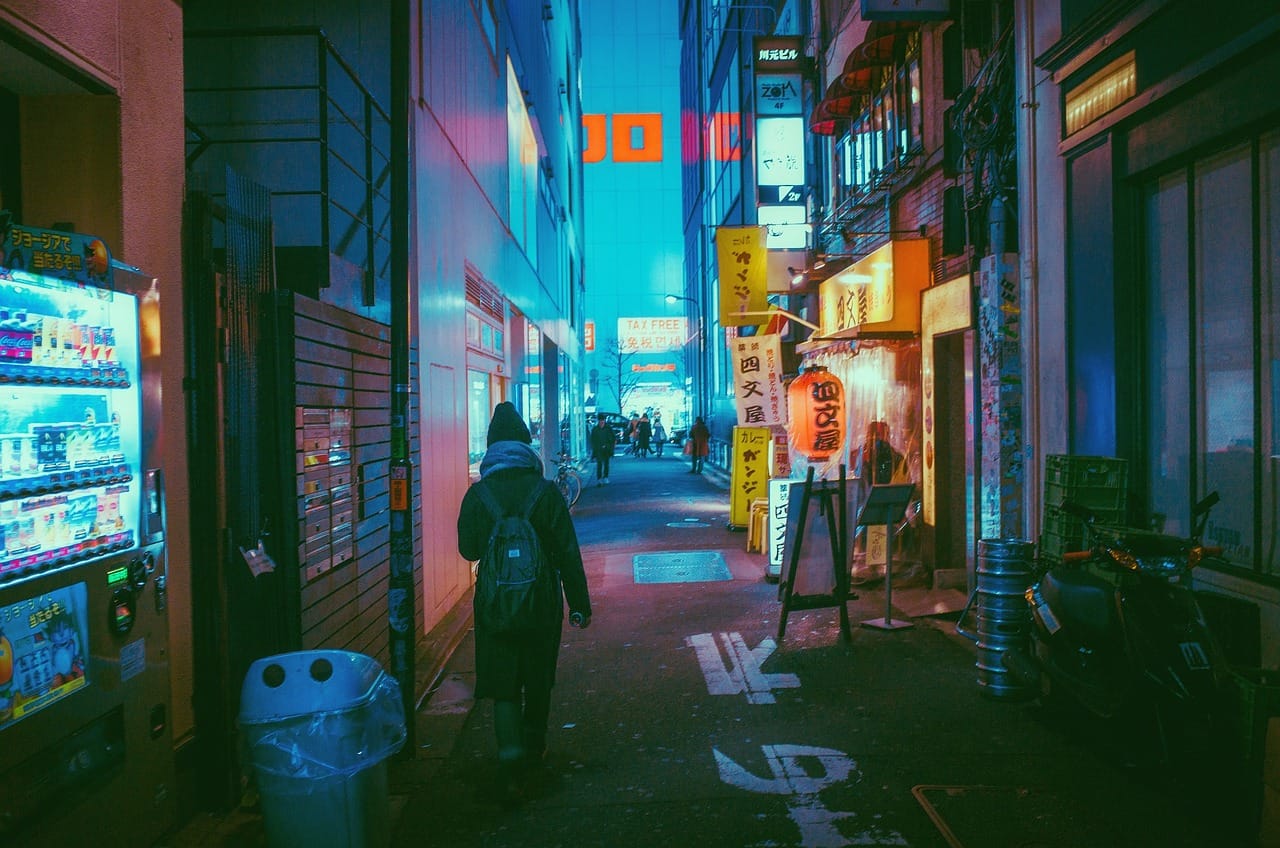
A single street might mix the cold blue-white of LED signs, the green of fluorescent tubes in a stairwell, the warm orange of sodium streetlights and the red of a paper lantern. I stopped trying to correct it. The mess of colour is the point. It is what the city actually looks like at night.
The alleys
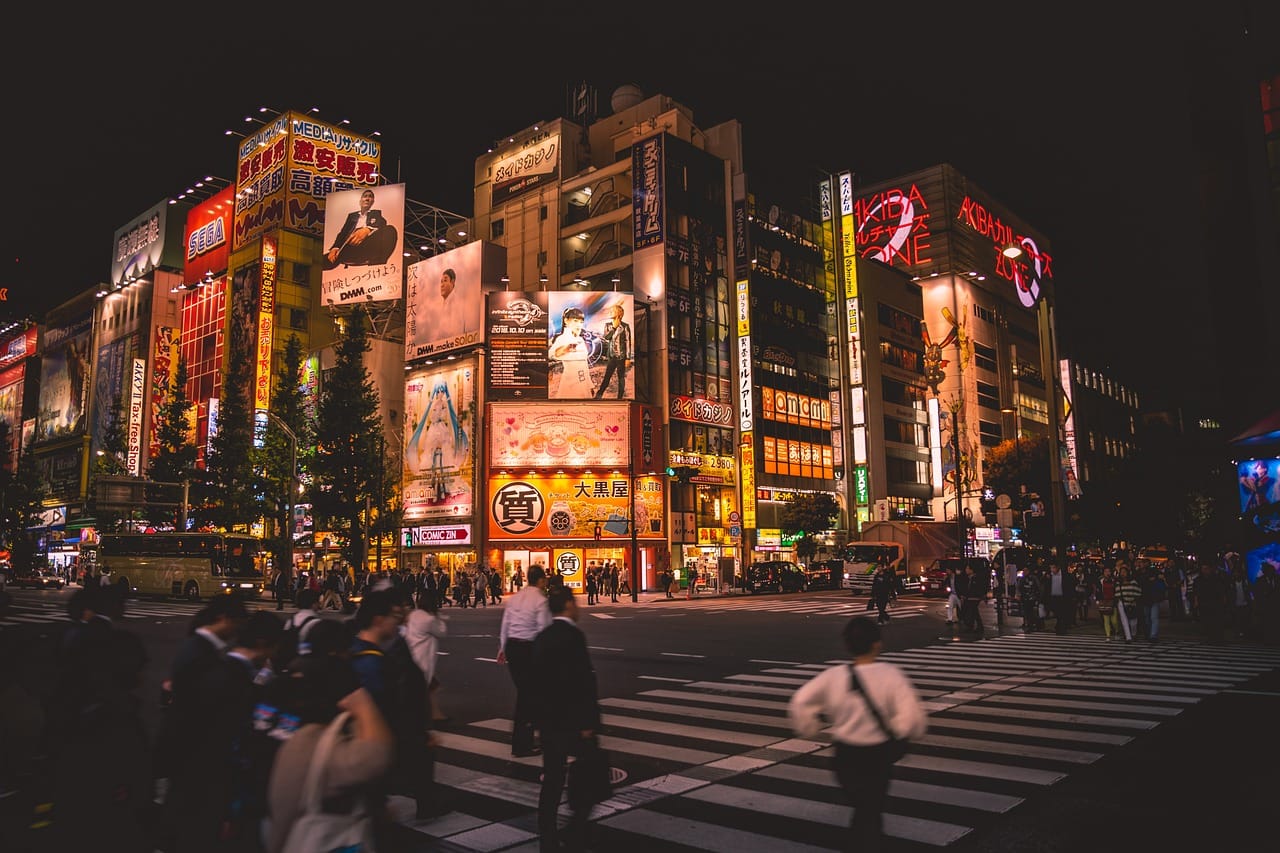
The main streets empty quickly after midnight. The alleys do not. In neighbourhoods like Shinjuku's Golden Gai or the lanes behind Ebisu station, narrow passages lined with tiny bars stay open until dawn. Each bar holds perhaps eight people. Many have a theme: jazz records, horror films, a particular football team, a particular year.
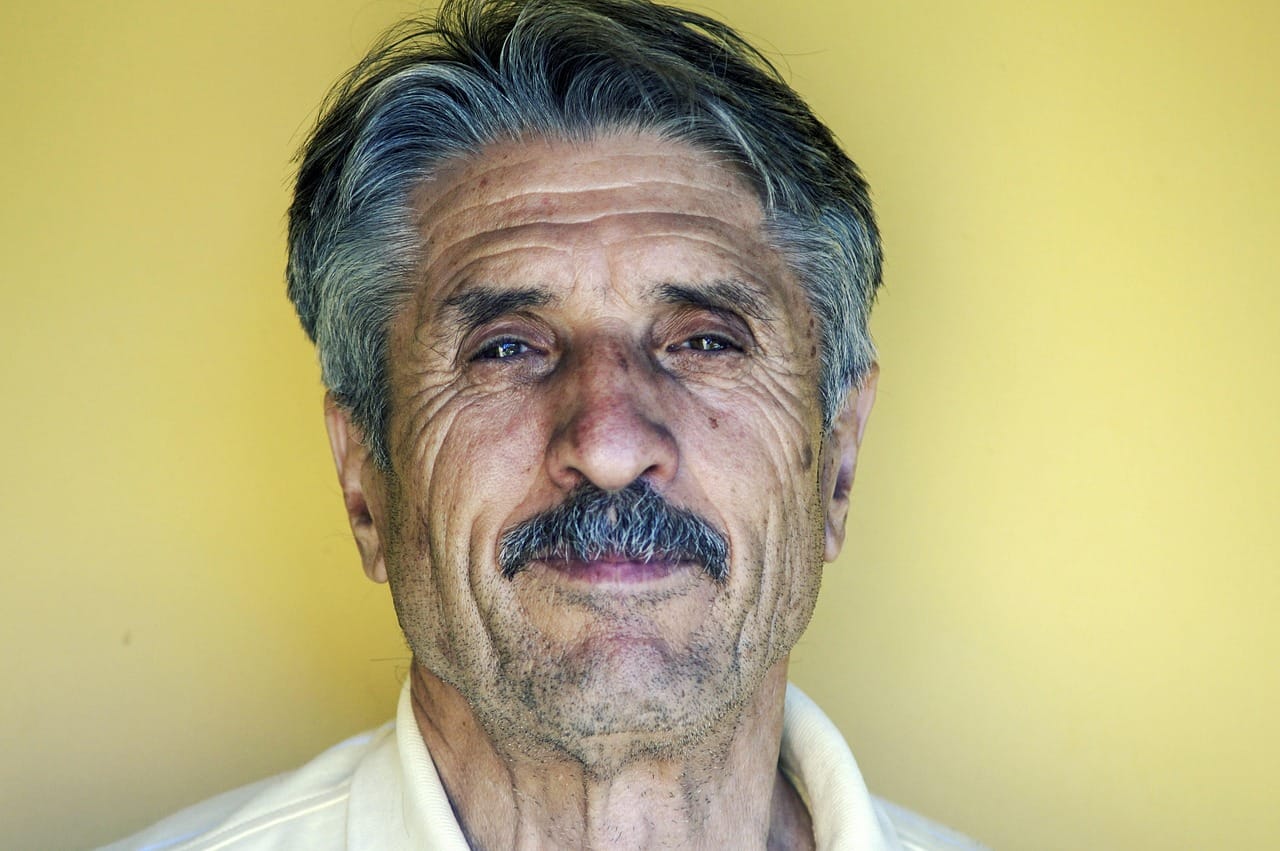
Photographing in these spaces requires patience and manners. I always asked, and usually bought a drink first. Most bartenders were happy to be photographed; a few were delighted. One, who runs a bar devoted entirely to 1970s folk music, spent twenty minutes choosing the right record to play while I took his portrait.
The first train
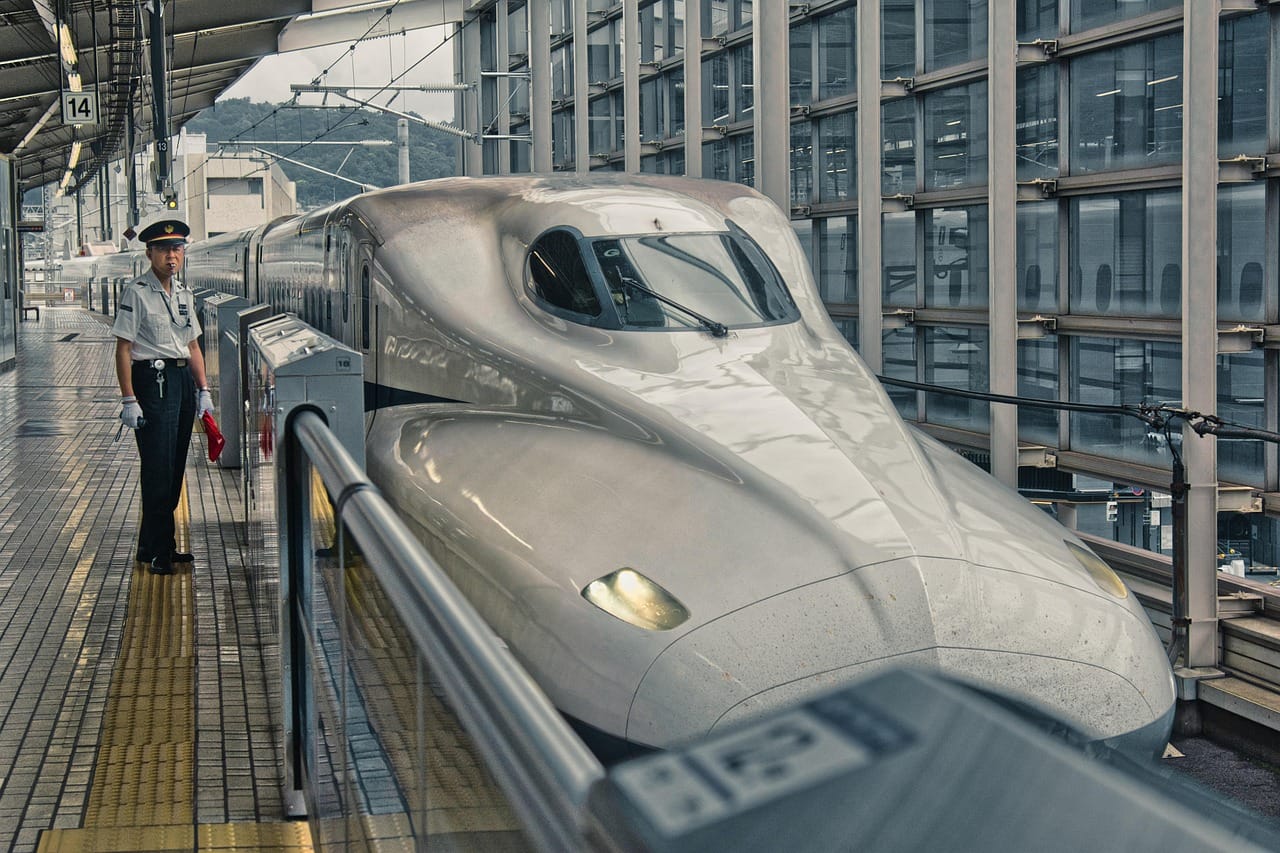
Around half past four, the city begins to stir again. The sky over the rooftops turns from black to a deep navy. Station shutters roll up. The first commuters appear, looking notably fresher than the people who have been out all night, who are now gathering on platforms with the slow, careful movements of the very tired.
The first train leaves at 4:37. It is full.
Notes on the photographs
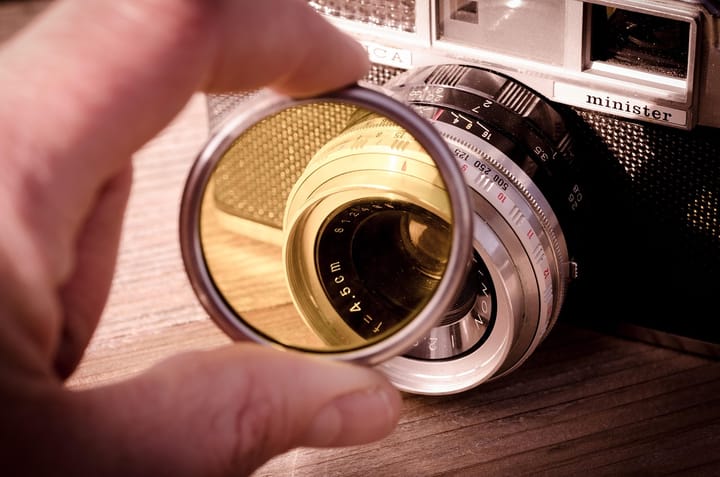
Every photograph in this story was taken handheld. A tripod in a Tokyo alley at two in the morning is an obstacle, and it makes people wary; a small camera held at chest height makes you almost invisible. I used a 35mm lens because it is close to the way the eye sees a street: wide enough to show where you are, tight enough to pick out a face.
I walked a different ward every night, usually starting at Shibuya or Shinjuku and heading outwards until the streets went quiet. Most nights I covered fifteen to twenty kilometres. I learned to recognise the rhythm of the night: the rush at half past twelve as the last trains leave, the lull at two, the strange, dreamy hour around three when the only people awake are workers and wanderers, and the slow brightening after four.
The people in these photographs were almost all asked. Tokyo has strict norms about privacy, and taking a photograph of a stranger without permission is considered rude. I carried small prints of earlier photographs to show what I was doing, which helped enormously. Many people who said no at first said yes after seeing them.
What I would do differently
I would bring a second battery for every night instead of every other night, and I would go in winter. The cold air is clearer, the steam from food stalls and vents catches the light, and the city feels even more like a stage set with the audience gone home.
What the night teaches
After eleven nights I had around four thousand photographs, most of them unusable. The ones that worked all had something in common: they showed a moment of stillness in a place that is usually in motion. A crossing with three people on it. A taxi driver asleep at the wheel. A shop assistant arranging rice balls in perfect rows for customers who will not arrive for hours.
That, I think, is what the hours after the last train offer. Not the famous Tokyo of crowds and speed, but a quieter city that exists only when most of its people are asleep. You have to stay up to see it.