A summer inside the fog
The city's fog has a name and a temper. A summer photographing a place that keeps disappearing.
 Luca Bianchi
4 min read
Luca Bianchi
4 min read
The fog has a name here. Locals call it Karl, and some of them talk about it the way you might talk about a difficult relative: always arriving without warning, staying too long, occasionally wonderful.
I spent a summer photographing the city through it. This is what a city looks like when it keeps disappearing.
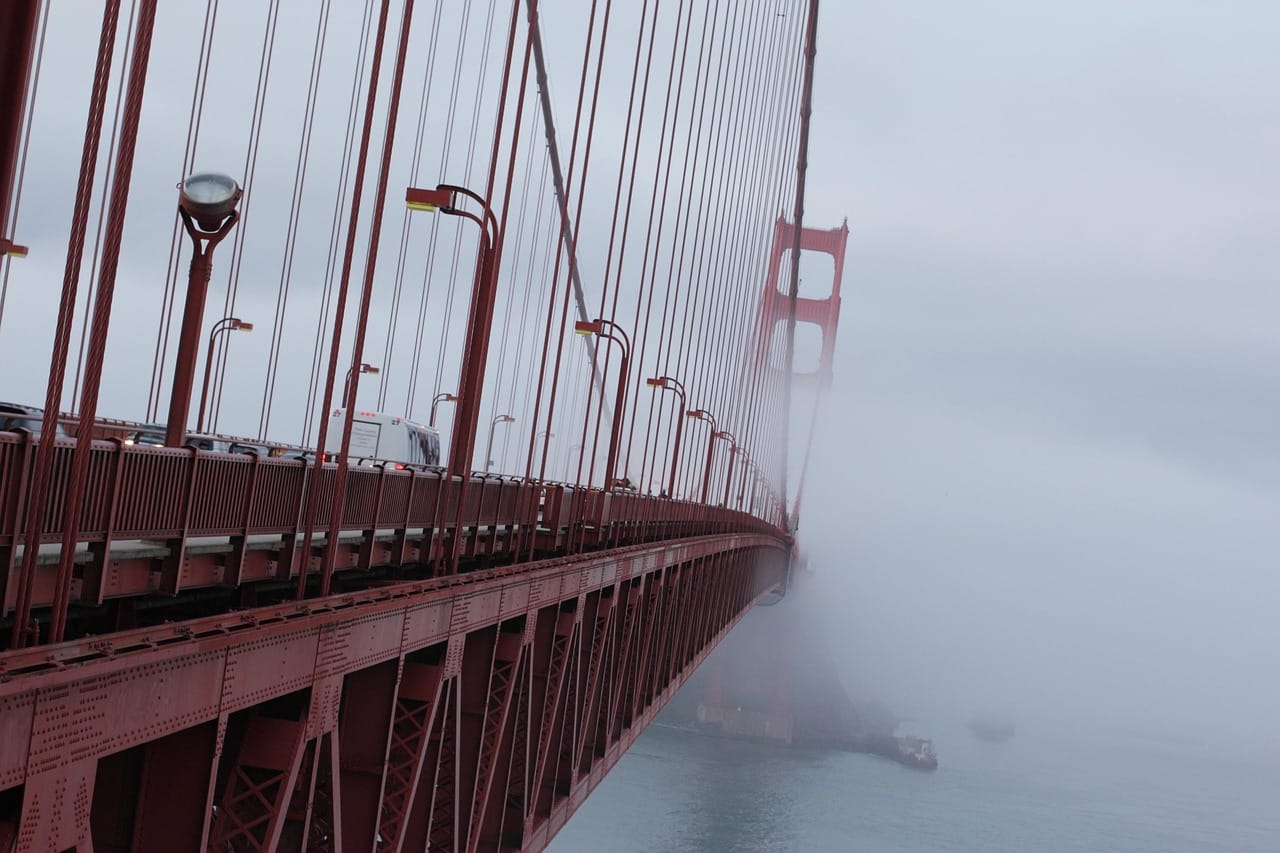
Summer is the foggy season
Visitors arrive in shorts and leave in hastily bought sweatshirts. The city's famous fog is at its thickest in summer, when hot air over the inland valleys pulls cold, wet air in from the ocean. It pours over the hills in the afternoon, fills the western neighbourhoods by evening and burns off, sometimes, by late morning.
For a photographer, it is a gift. Fog simplifies. It erases backgrounds, softens light and turns ordinary streets into stage sets.
Photographing the invisible
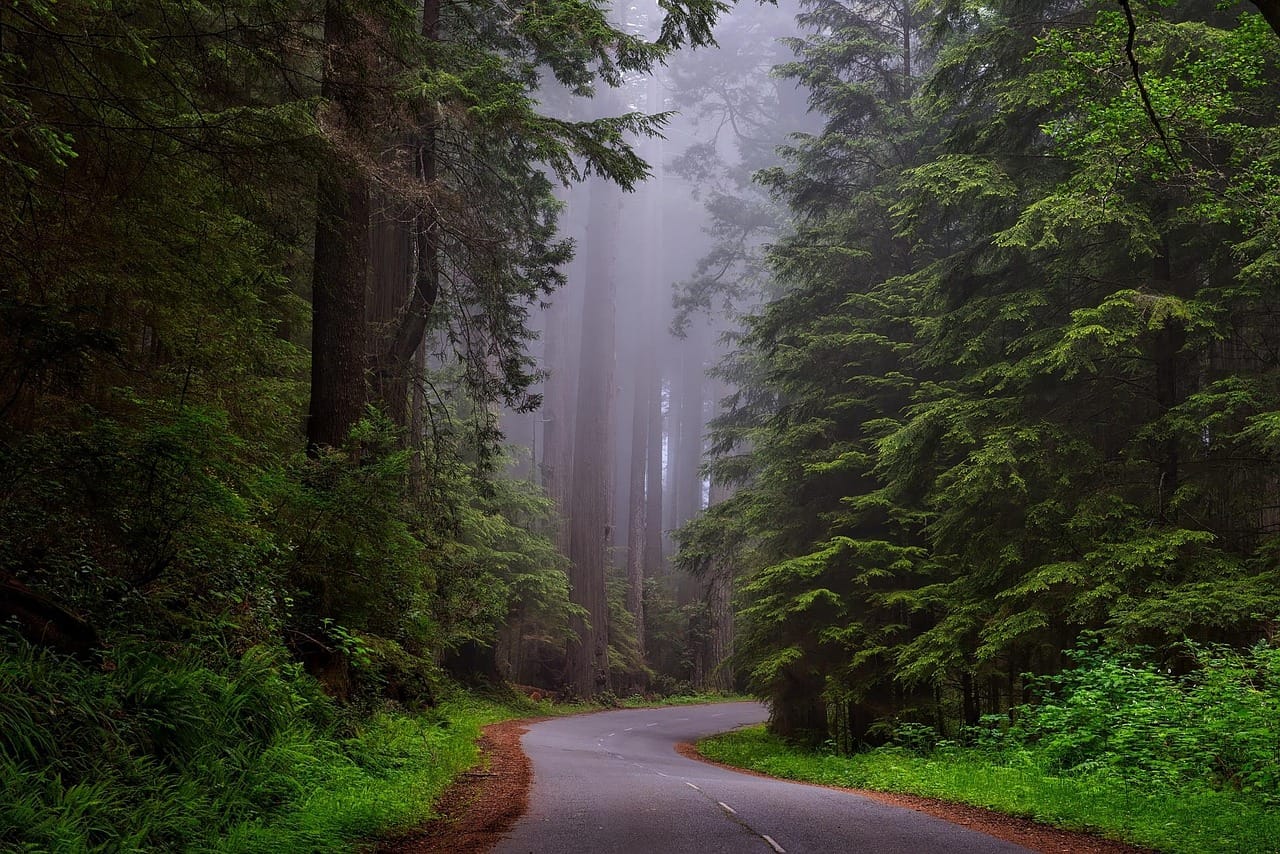
Fog is difficult to expose. Cameras see a bright grey scene and try to make it medium grey, which leaves photographs dull and muddy. The fix is to overexpose deliberately, by a stop or more, so the fog stays bright and airy.
Composition changes too. In fog, depth is measured by how quickly things fade. A row of streetlights becomes a lesson in perspective: the first one sharp, the second soft, the third a smudge, the fourth gone.
In fog, the city shows you one thing at a time. That is what makes it beautiful.
Luca Bianchi
The sound of it
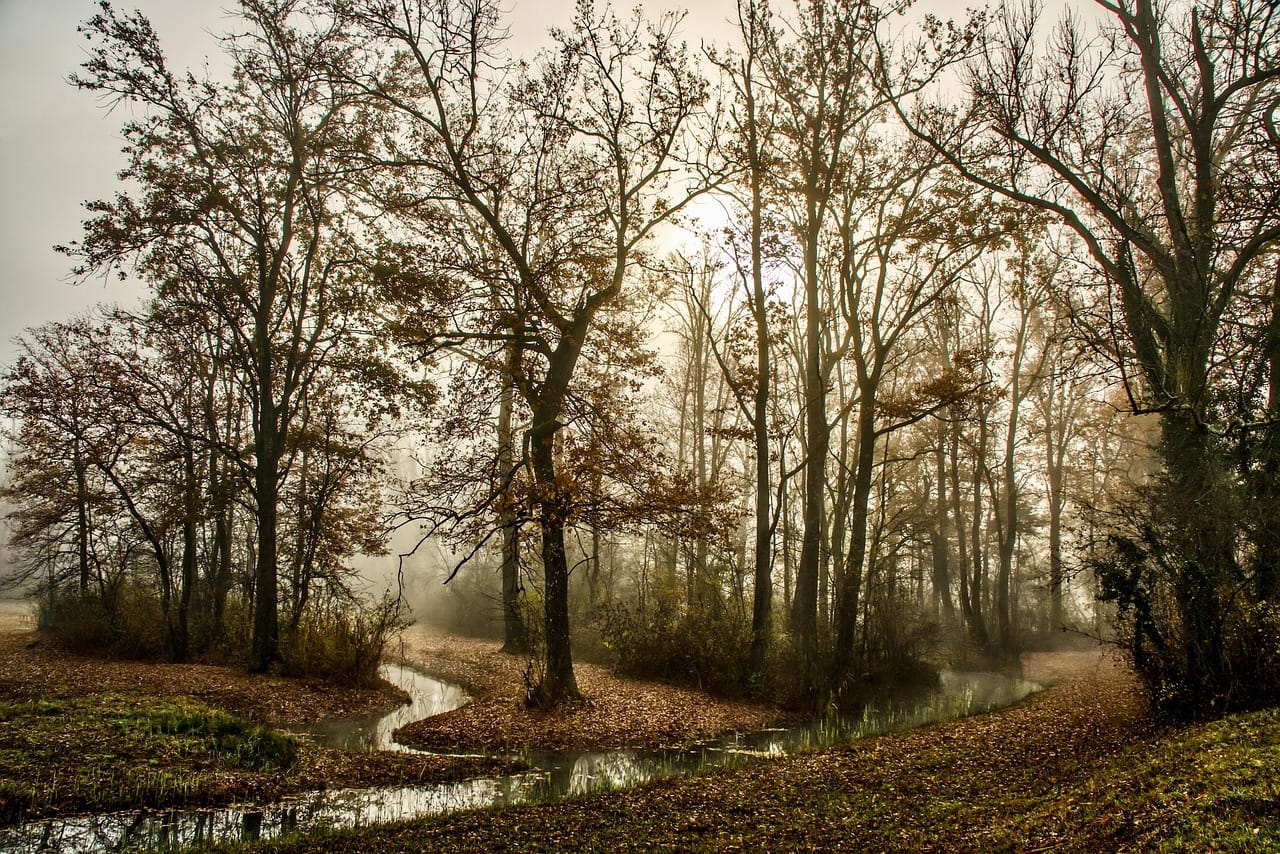
What photographs cannot capture is the sound. Fog muffles the city. Traffic seems further away. Foghorns call across the bay every thirty seconds, two notes, low and mournful. Locals say they stop hearing them after a while. I never did.
Living with it
Not everyone loves the fog. Residents of the western districts sometimes go weeks without seeing the sun in summer, while neighbourhoods a few miles east bask in warm light. House prices follow the weather: sunnier streets cost more.
But ask people who have lived here for decades and many say they would miss it. It is part of the city's character, as much as the hills and the bridge. It makes every clear day feel like a gift.
Where to stand
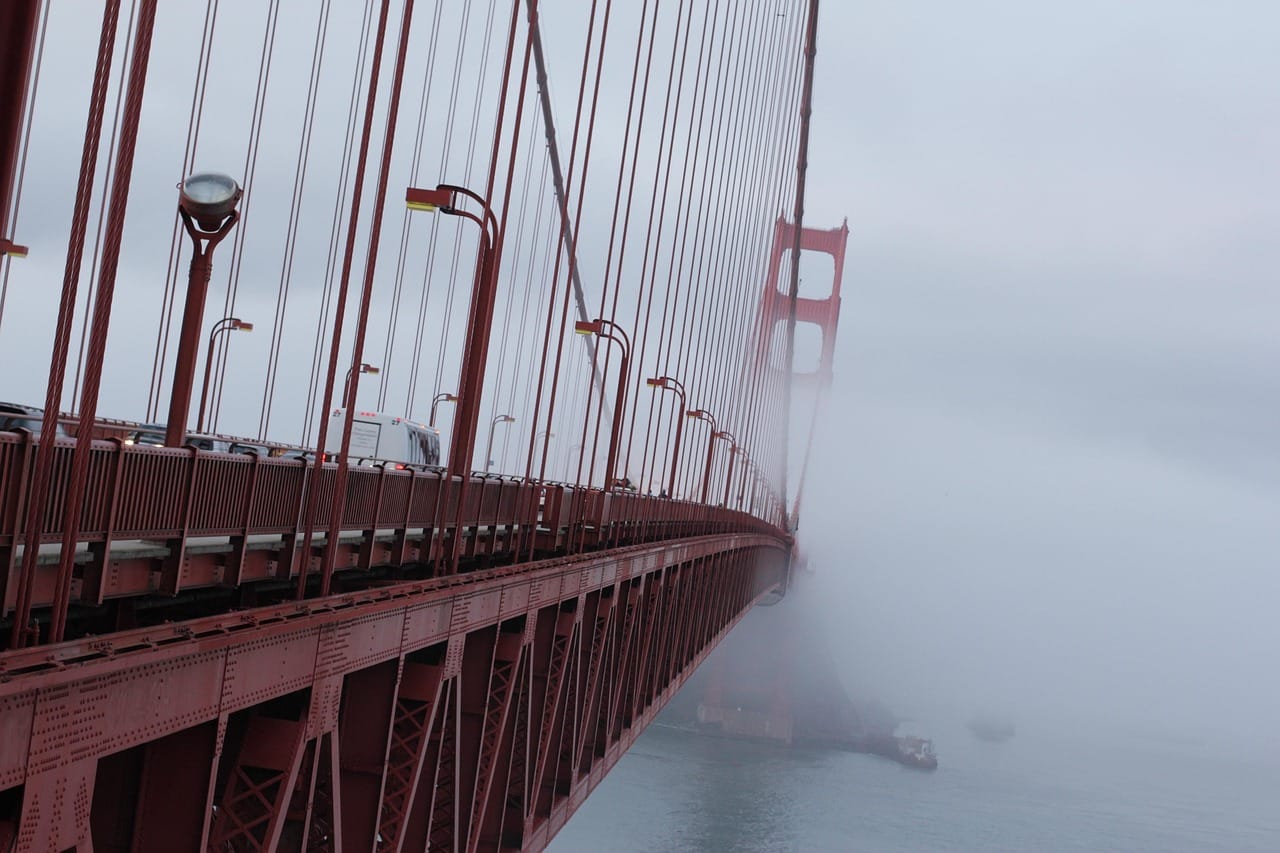
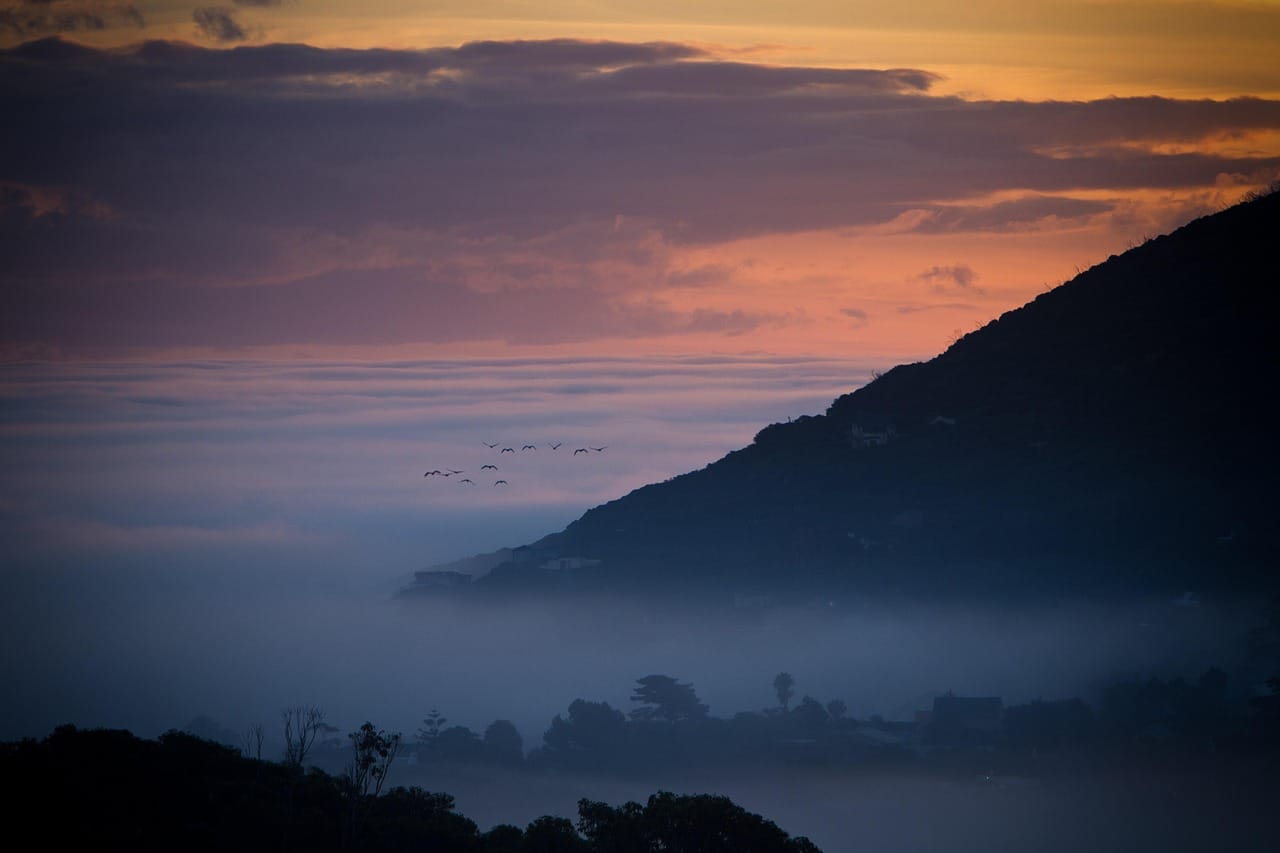
The best fog photographs come from high ground. The city's many hills let you stand above the fog as it pours through the streets below, turning the bridge towers and the tallest buildings into islands. My favourite spot was a small park on a western ridge, reached by a long flight of steps. On a good evening, the fog fills the valley below like a slow grey tide.
Inside the fog, the rules change. Look for things close to you with strong outlines: a lamppost, a tree, a figure walking a dog. Anything more than a block away will vanish.
The fog is changing
Scientists who study the city's weather say the summer fog has become less frequent over the past century. Some of the change may be natural variation; some may be linked to warmer ocean temperatures. Nobody is certain what the next hundred years will bring. Many residents who complain about the fog would, I suspect, be sorry to see it go.
When it lifts
On my last morning, the fog lifted at eleven. Within minutes the whole city was visible: every hill, every tower, the bridge sharp and red against a blue sky. It was spectacular, and it felt oddly ordinary. By four o'clock, the fog was back, pouring over the hills like milk, and the city began to disappear again.