The last projectionist
Forty-seven years in a booth behind a small window. On Walter Hughes's final night, the audience turned round.
 Elena Varga
4 min read
Elena Varga
4 min read
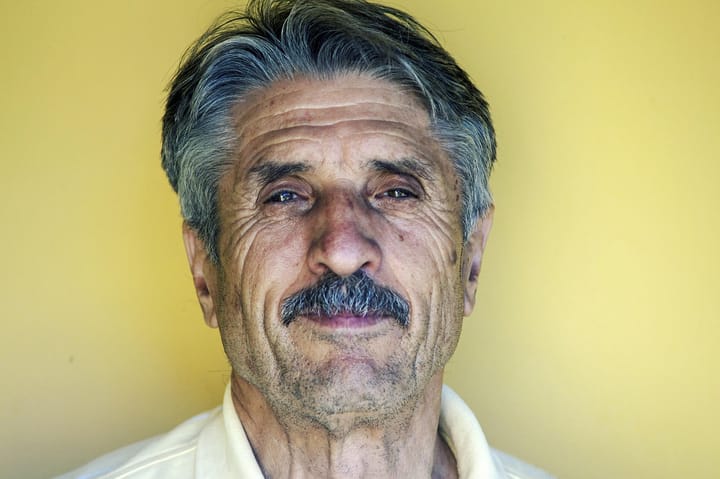
Walter Hughes has threaded his last reel. For forty-seven years he worked in the projection booth of the same cinema, a small room behind a small window at the back of a big dark hall. When the cinema switched to digital projection, he stayed on to run the new machine. Now, at seventy-three, he is retiring, and there is no one to replace him, because the job no longer exists.
The booth
A projection booth is a strange place: hot, loud, cramped and entirely hidden from the audience. For most of the twentieth century, every cinema had one, and every booth had a projectionist, usually a man, often working alone, climbing stairs that the public never saw.
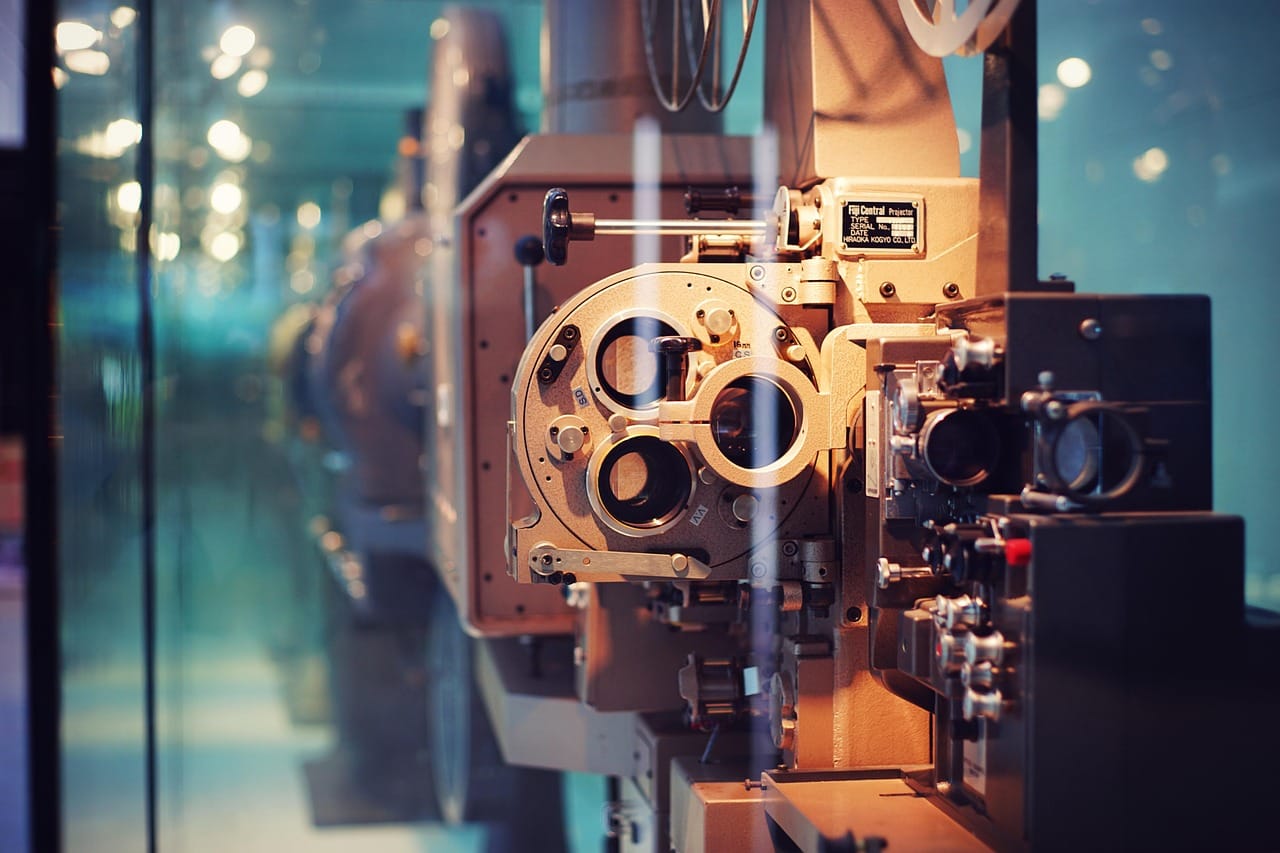
Walter's booth is at the top of a narrow iron staircase behind the balcony. It holds two enormous 35mm projectors, a rewinding bench, a workbench scattered with tools and a small armchair that has been repaired with tape so many times that it is more tape than chair.
The craft
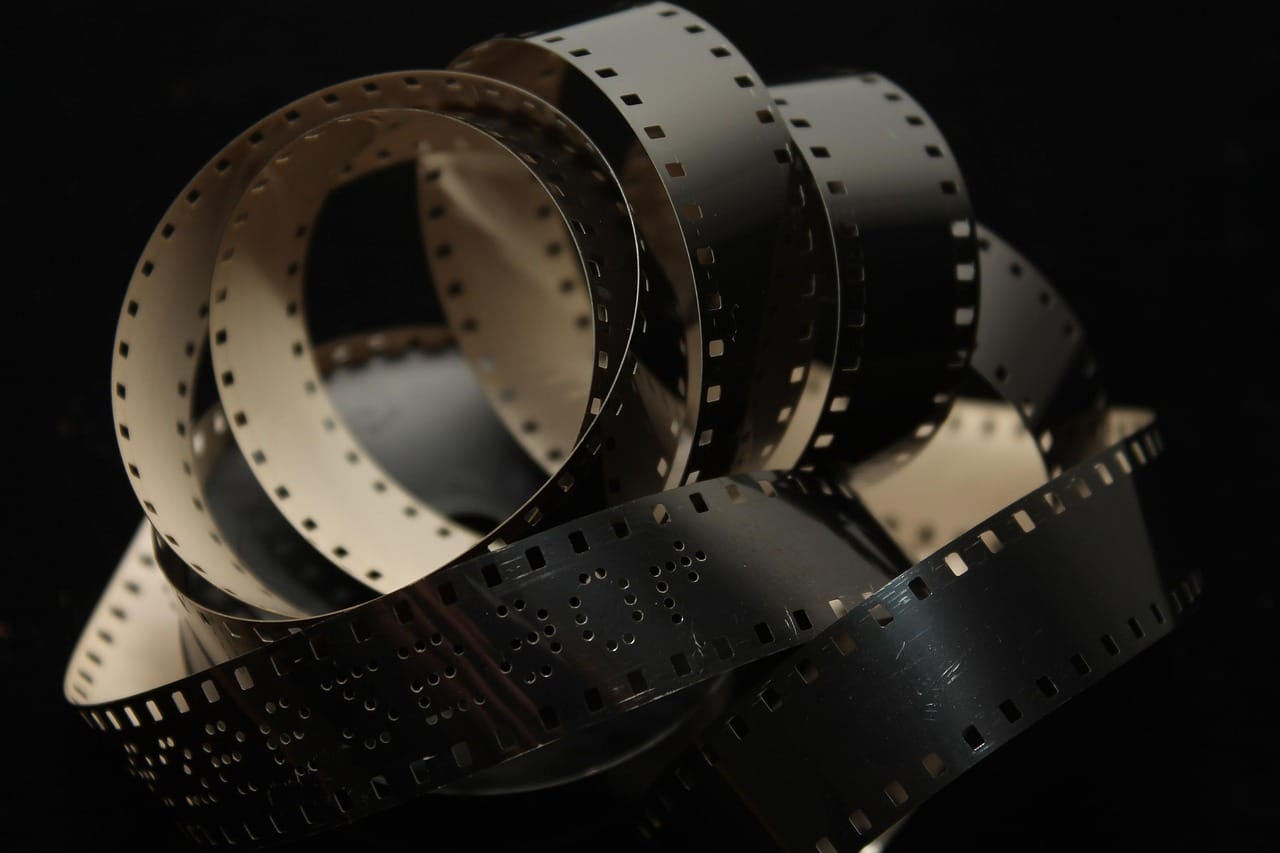
Running a film print was physical, precise work. A feature film arrived in five or six reels, each about twenty minutes long. The projectionist spliced them together onto a large platter, threaded the film through the projector by hand and watched for problems: a scratch, a torn sprocket, a splice that might break.
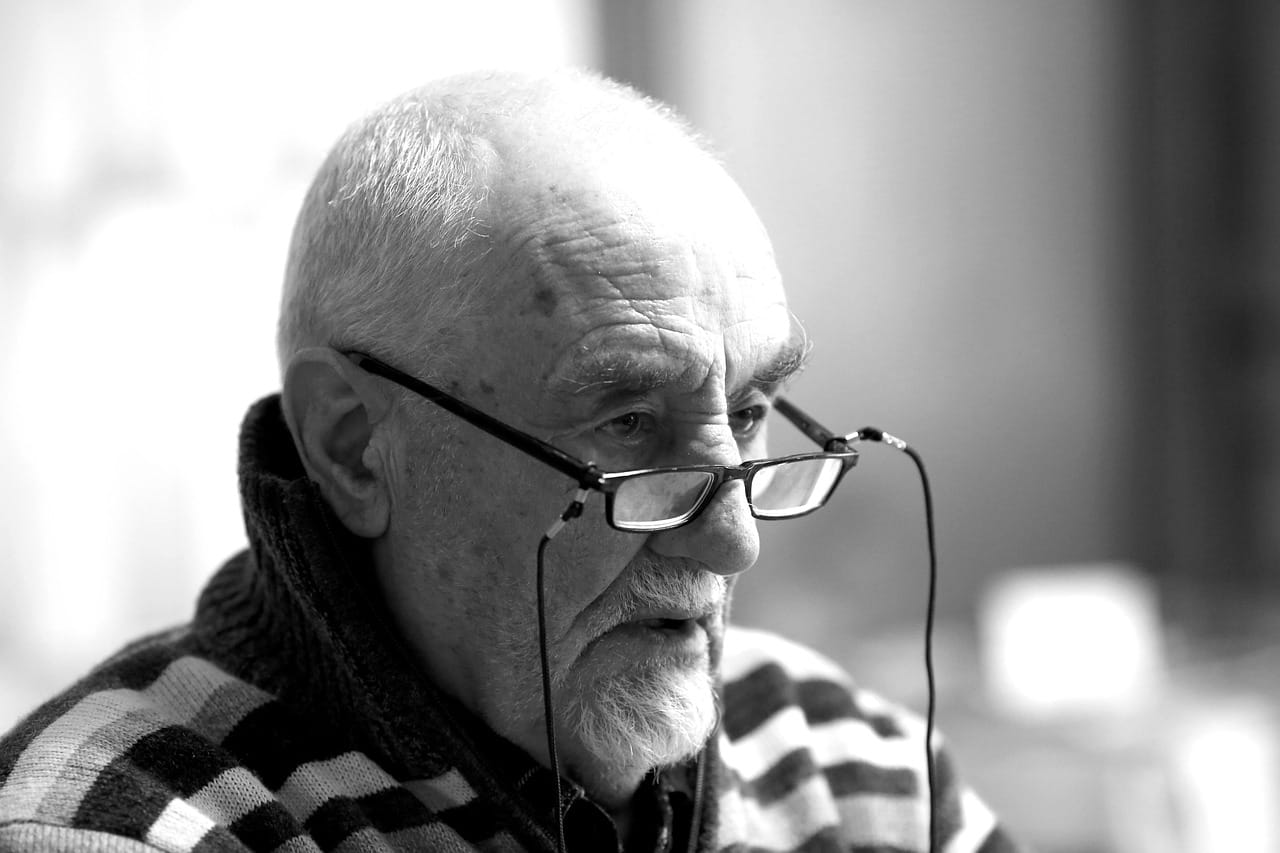
"You listen more than you watch," Walter told me. "Every projector has a sound. If the sound changes, something is wrong. By the time you see it on the screen, it is too late."
The audience should never know you are there. If they notice you, you have made a mistake.
Walter Hughes
The change
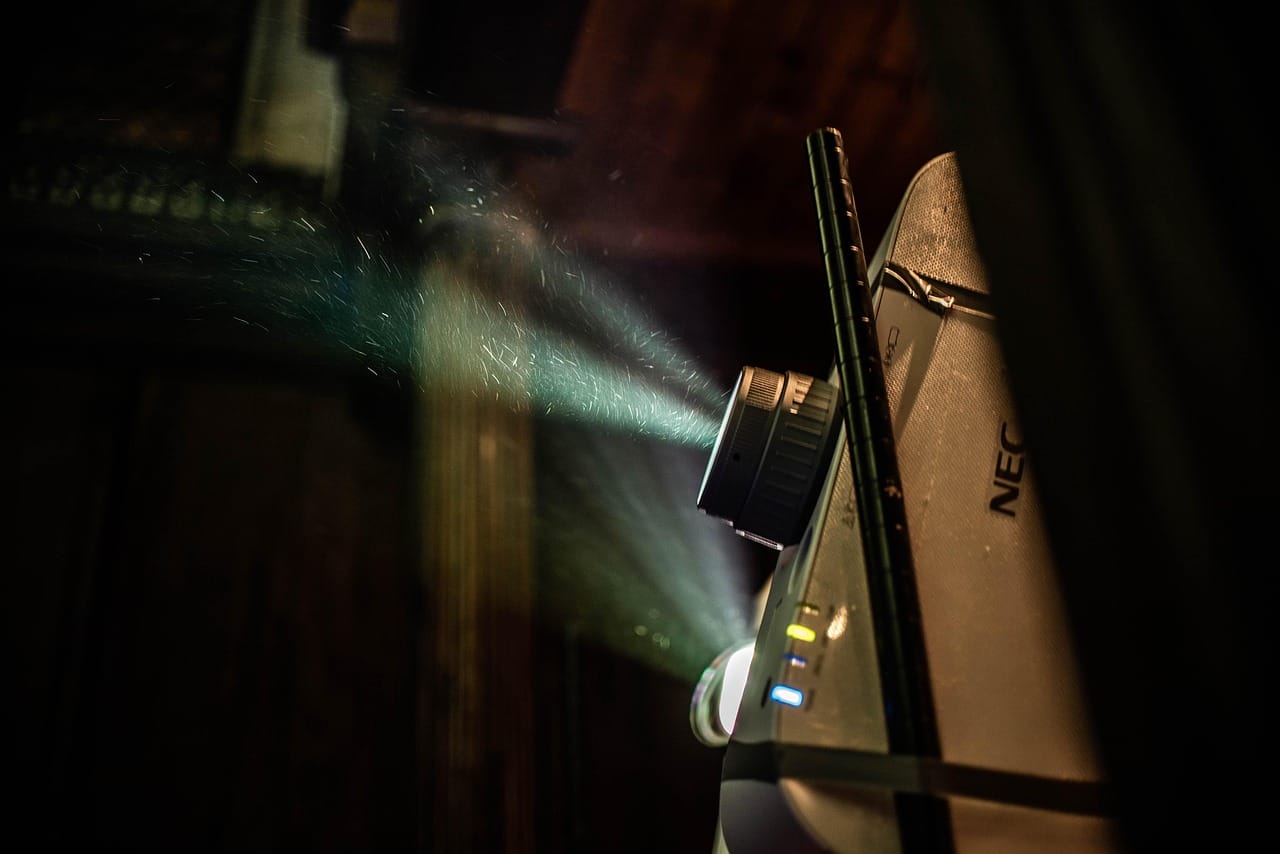
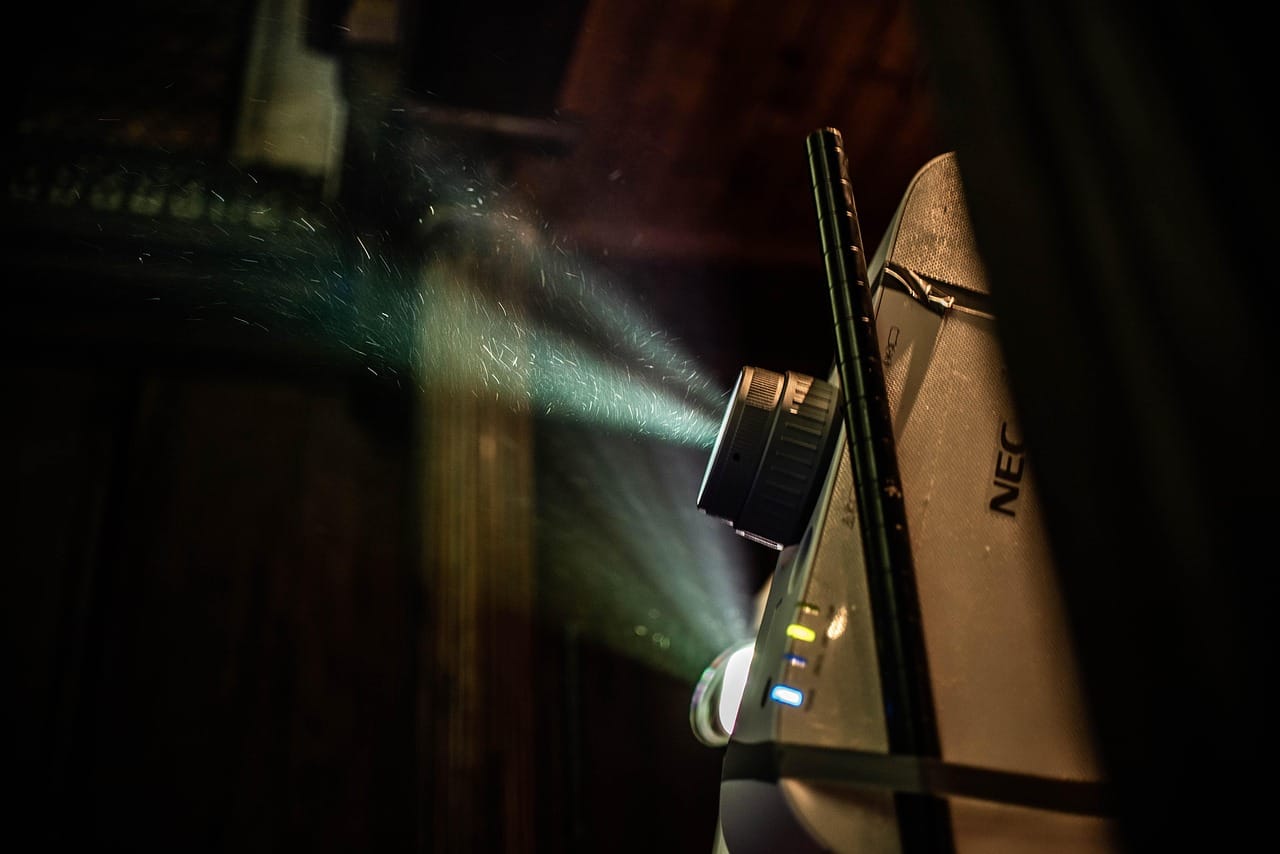
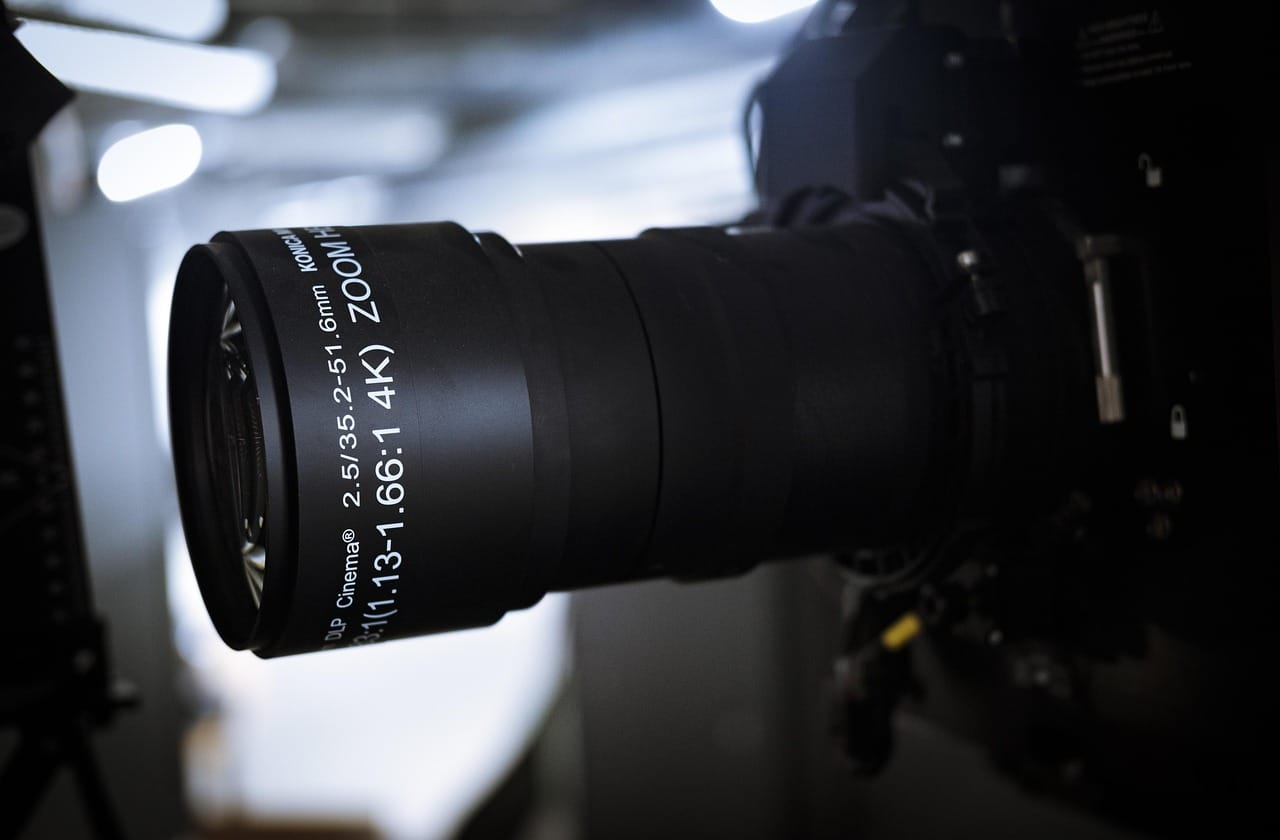
Digital projection arrived at this cinema in 2012. The new projector is a box the size of a fridge. Films arrive on a hard drive or by download. The whole evening's programme can be set up in advance and started with a button.
Walter learned the new system and ran it for twelve years. He is fair about it: the picture is steady, there are no scratches, and a film looks the same on its hundredth showing as on its first. But he misses the old machines. "Digital is perfect. Film was alive."
The last film print
For his final night, the cinema arranged a special screening: a restored 35mm print of a classic from 1962, brought out of an archive for one showing. Walter threaded it himself, slowly and carefully, while I photographed from the corner of the booth.
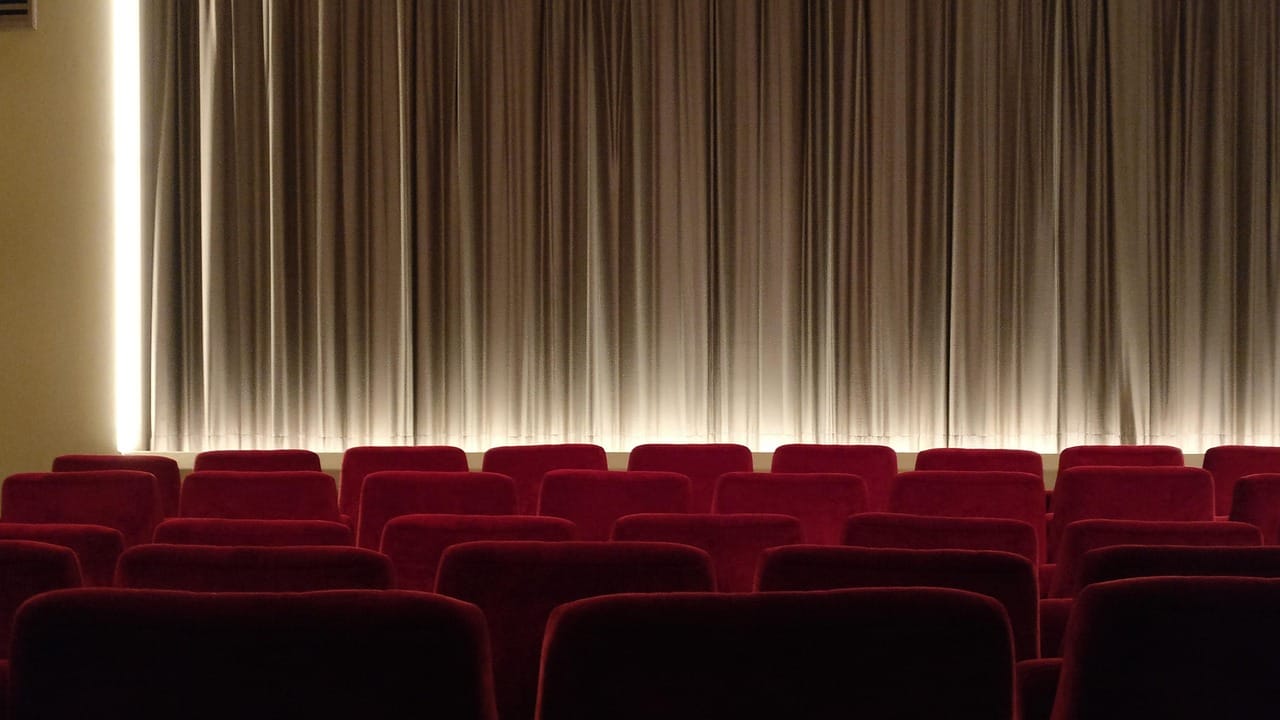
The hall was full. At the end, the manager asked the audience to turn round and look up at the little window at the back. Walter was standing there, lit by the glow of the projector. The applause went on for a long time.
How a film print travelled
For most of the twentieth century, a new film arrived at a cinema in heavy metal cans, delivered by van. Each print had already been shown in other cinemas and would travel on to more after this one. Projectionists could tell a print's history from its condition: scratches from a careless booth, a missing frame spliced out after a break, a faint green line from a projector that needed cleaning.
Walter kept a notebook of every print he ever ran, with its condition on arrival and on departure. He is proud that the second column is almost always the same as the first. "You look after it for the next person," he said. "That is the whole job."
Photographing in the booth
The booth is almost dark during a screening, lit only by the glow leaking from the projector. I worked at very high ISO and waited for the moments when Walter leaned into the light to check the film. The noise of the machines meant I could move freely without disturbing anyone, but the heat was intense: the old lamps ran at more than a thousand watts.
What remains
The two old projectors will stay in the booth, maintained by volunteers, for the occasional special screening. Walter has promised to come back and help. "Somebody has to teach them," he said. "Otherwise, when I am gone, those machines are just furniture."
He took nothing from the booth except the armchair.