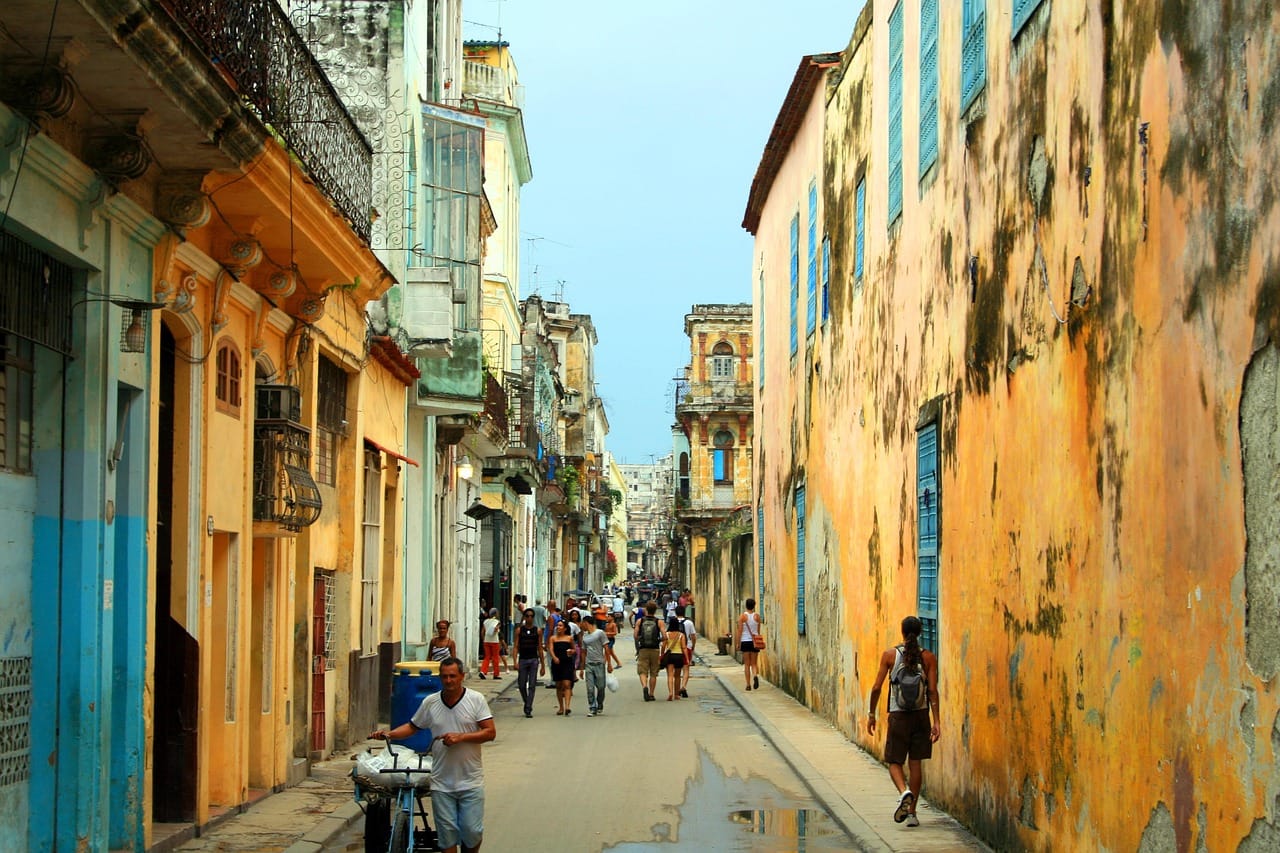
Havana in 108 frames
One camera, three rolls of film, two weeks. What limits teach you about looking.
 Luca Bianchi
4 min read
Luca Bianchi
4 min read
I went to Havana with a borrowed camera and three rolls of film: one hundred and eight photographs, in total, for two weeks. I came back with one hundred and six. Two were blank. The rest are the most honest photographs I have ever taken.
Rules of the game
The rules were simple. One camera, one lens, three rolls of colour film. No phone photography. No checking. No second chances. I wanted to see what happened when I could not rely on volume, and had to decide, every time, whether a moment was worth one of my frames.
For the first two days I shot almost nothing. Everything seemed worth photographing, which meant nothing was. By the third day, I had started to see differently.
The colours
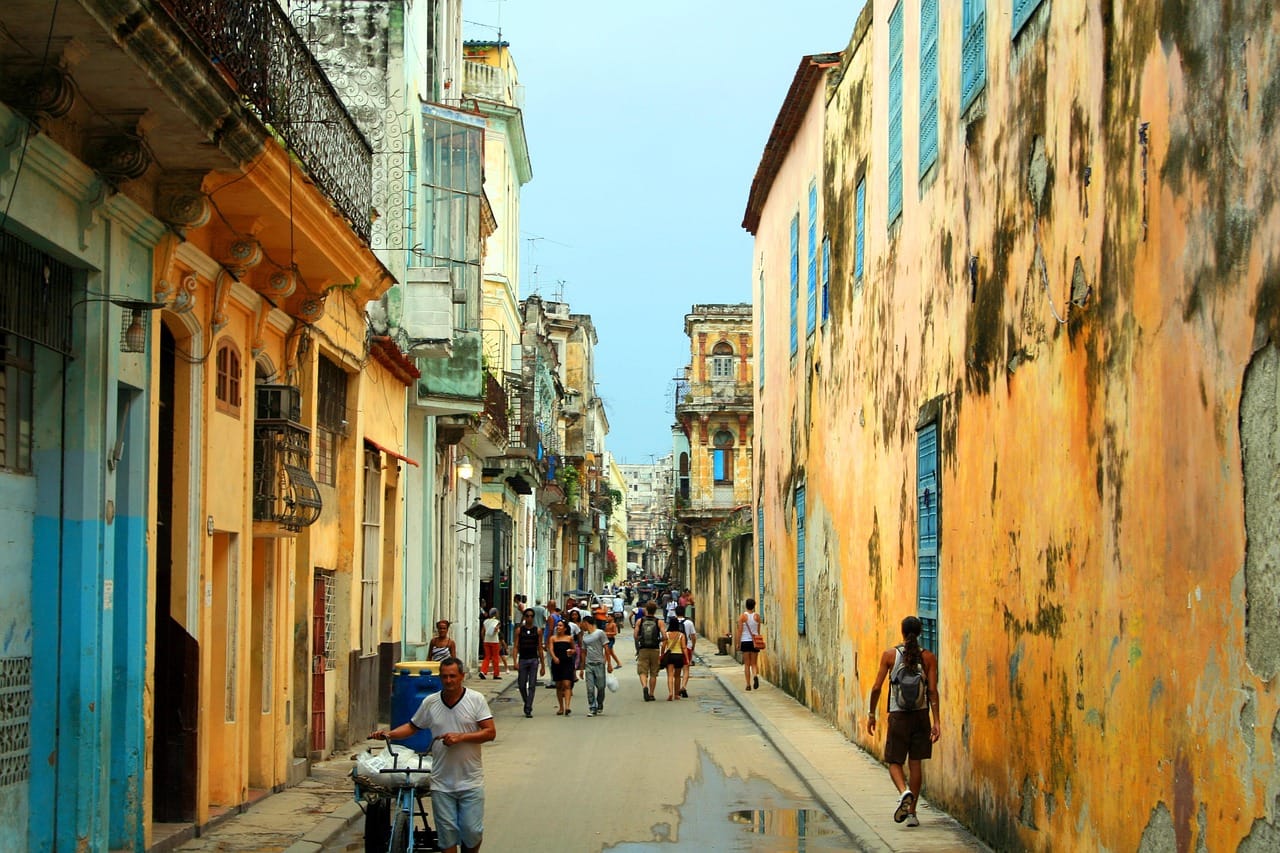
Havana is, famously, colourful. Buildings painted pink, turquoise and yellow, now faded by decades of sun and salt. Vintage cars in improbable shades of mint and coral. Laundry hanging from balconies. It would be easy to make the whole trip about colour, and many photographers do.
I tried to look for what was underneath: the people living in the colourful buildings, the mechanics who keep the cars running with parts made by hand, the families on the sea wall in the evening.
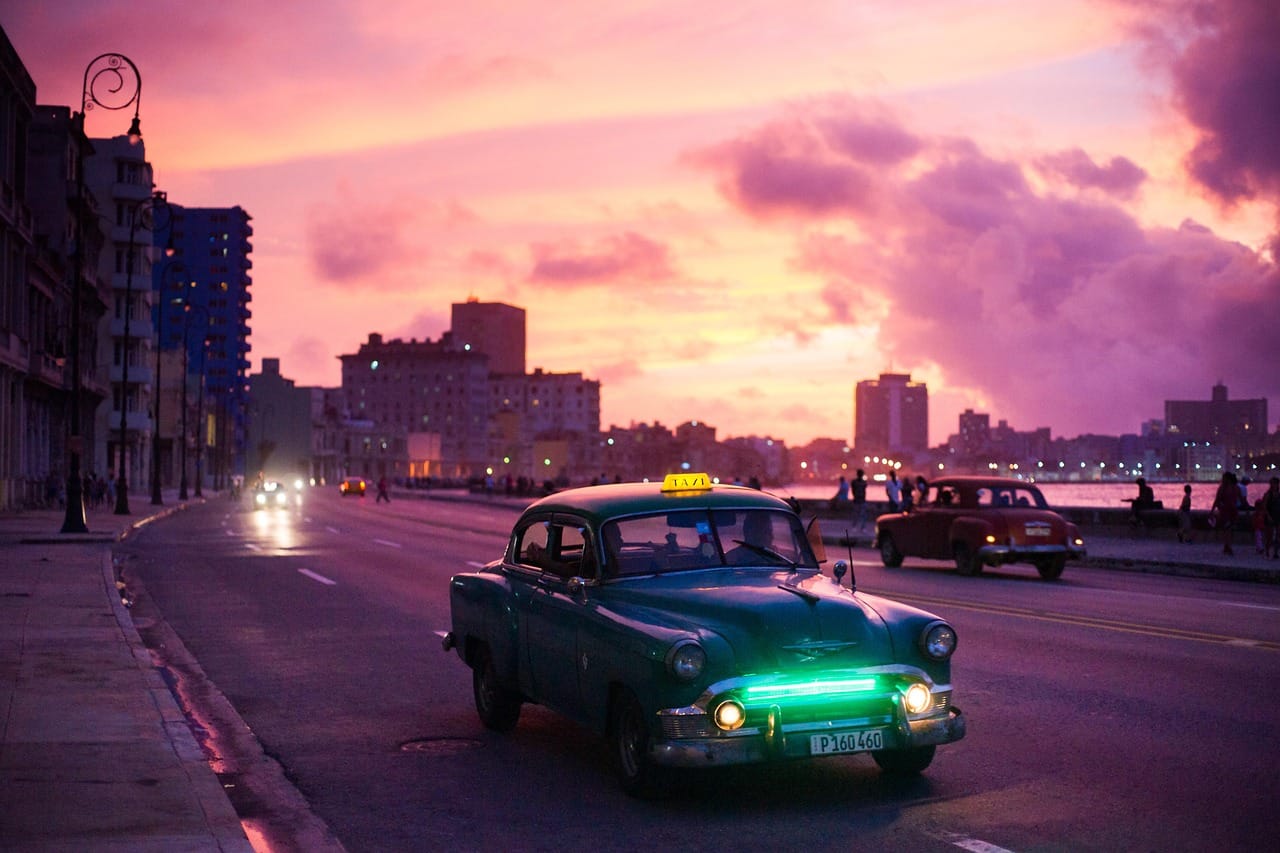
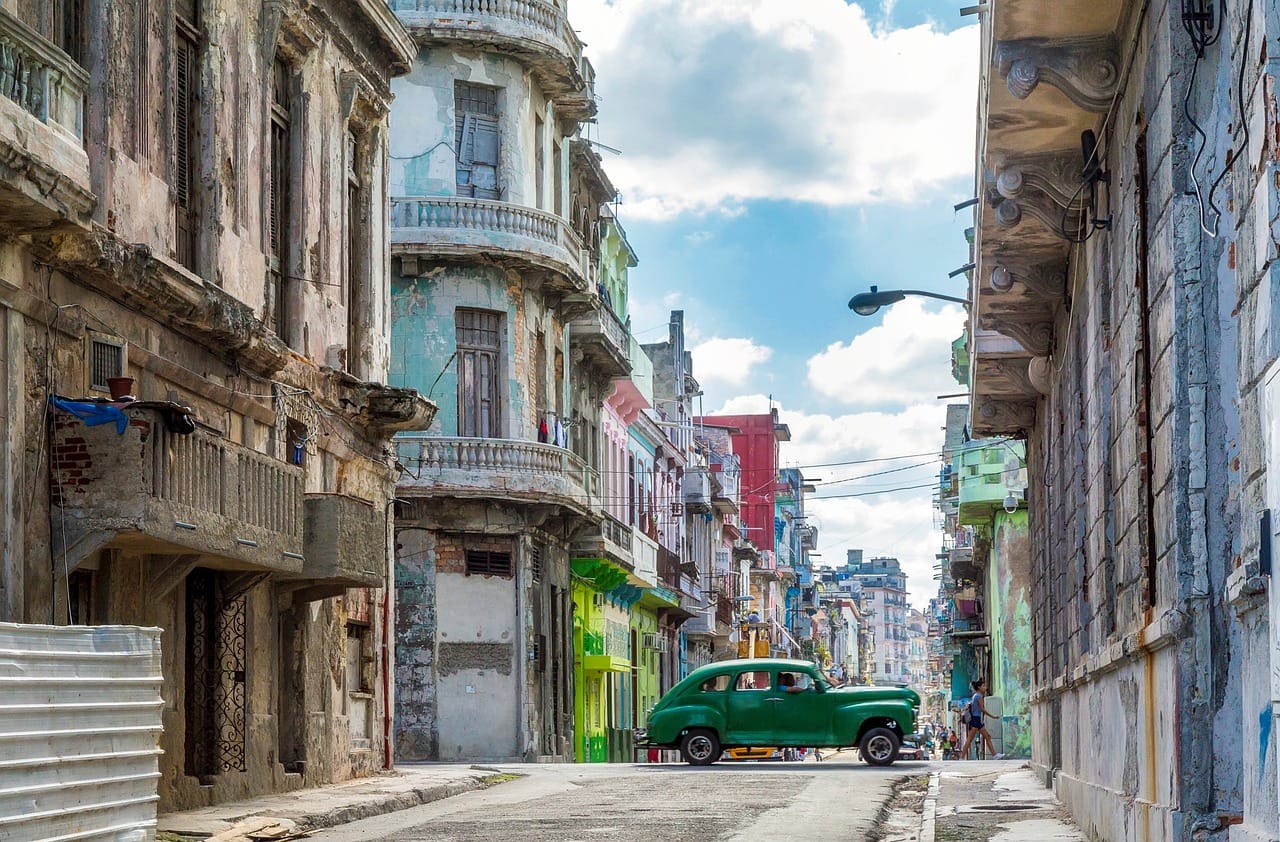
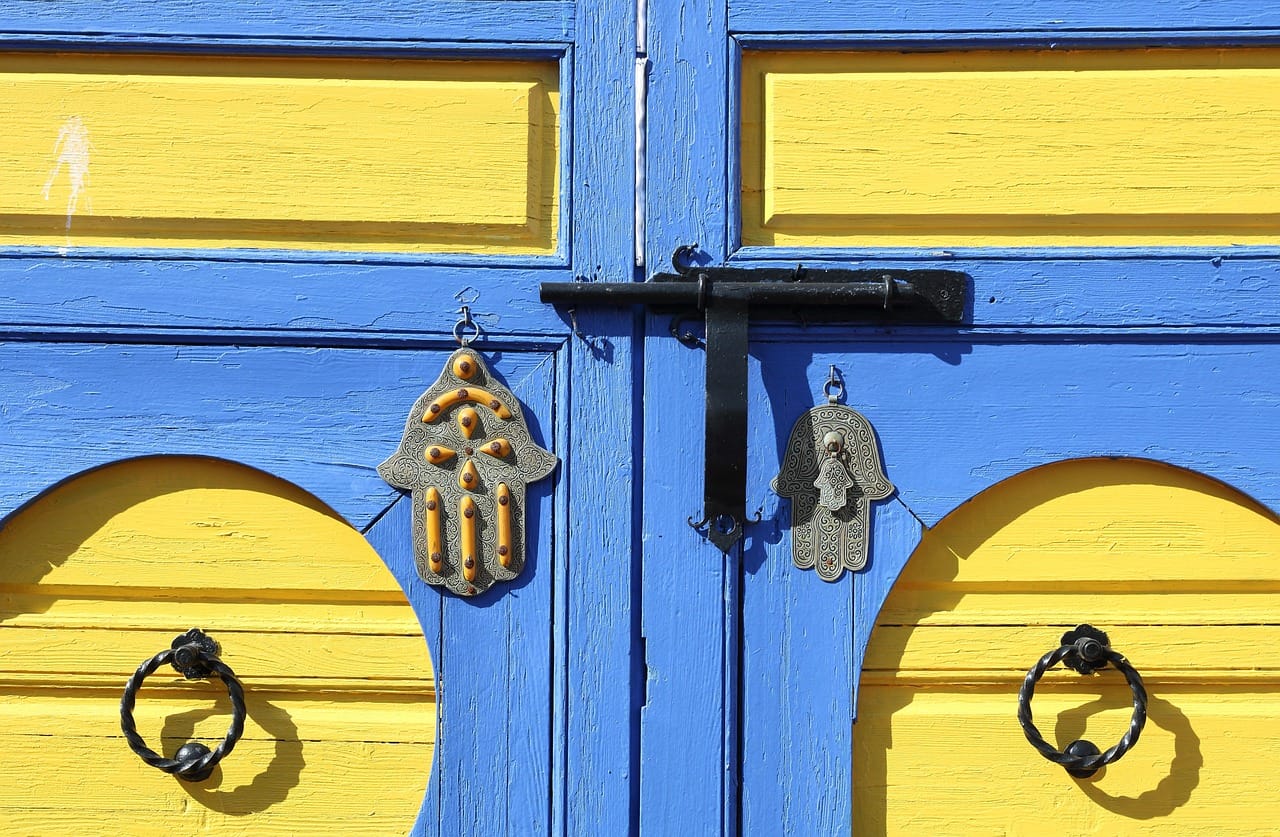
In Havana, everybody fixes everything. Nothing is thrown away. Even the light seems second-hand.
Luca Bianchi
The Malecón
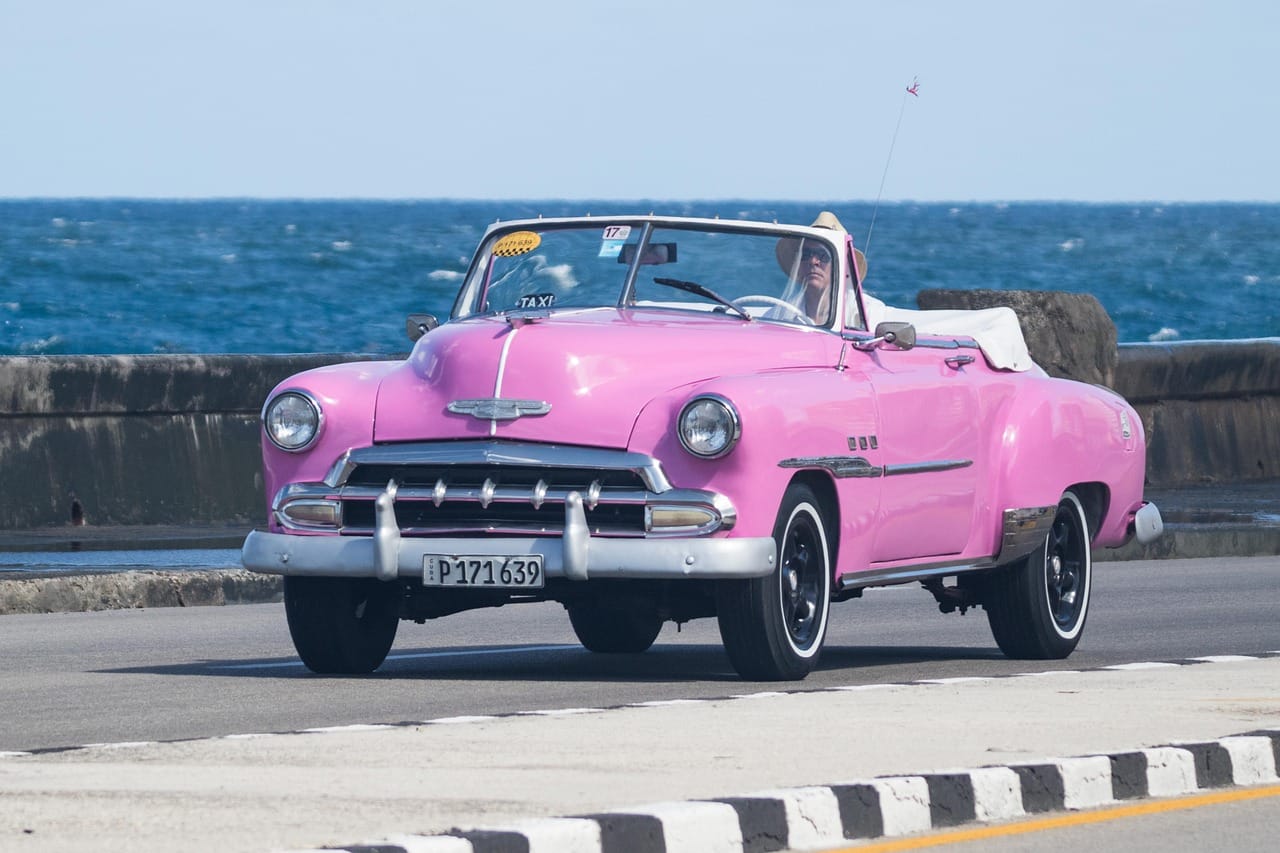
Every evening, as the heat breaks, the city walks to the Malecón, the long sea wall that runs along the northern edge of Havana. Families, couples, fishermen, musicians, teenagers with speakers. Waves crash over the wall and soak anyone standing too close. Nobody seems to mind.
I spent seven of my evenings here and used almost a whole roll. The light at sunset is warm and low, and it comes straight in from the sea, lighting faces from the side.
Portraits
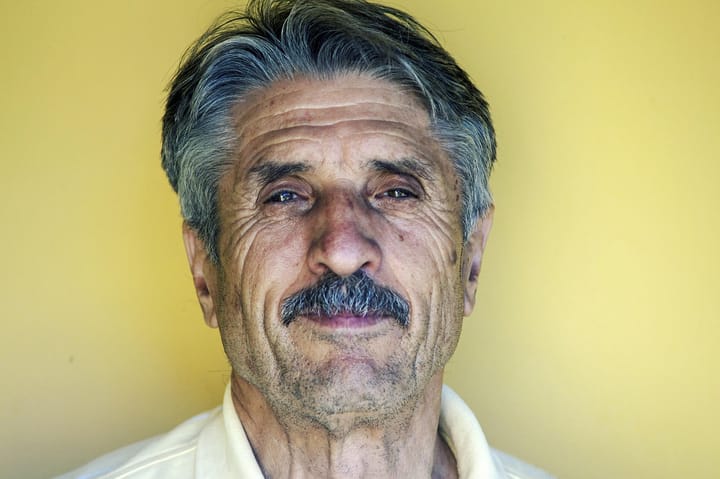
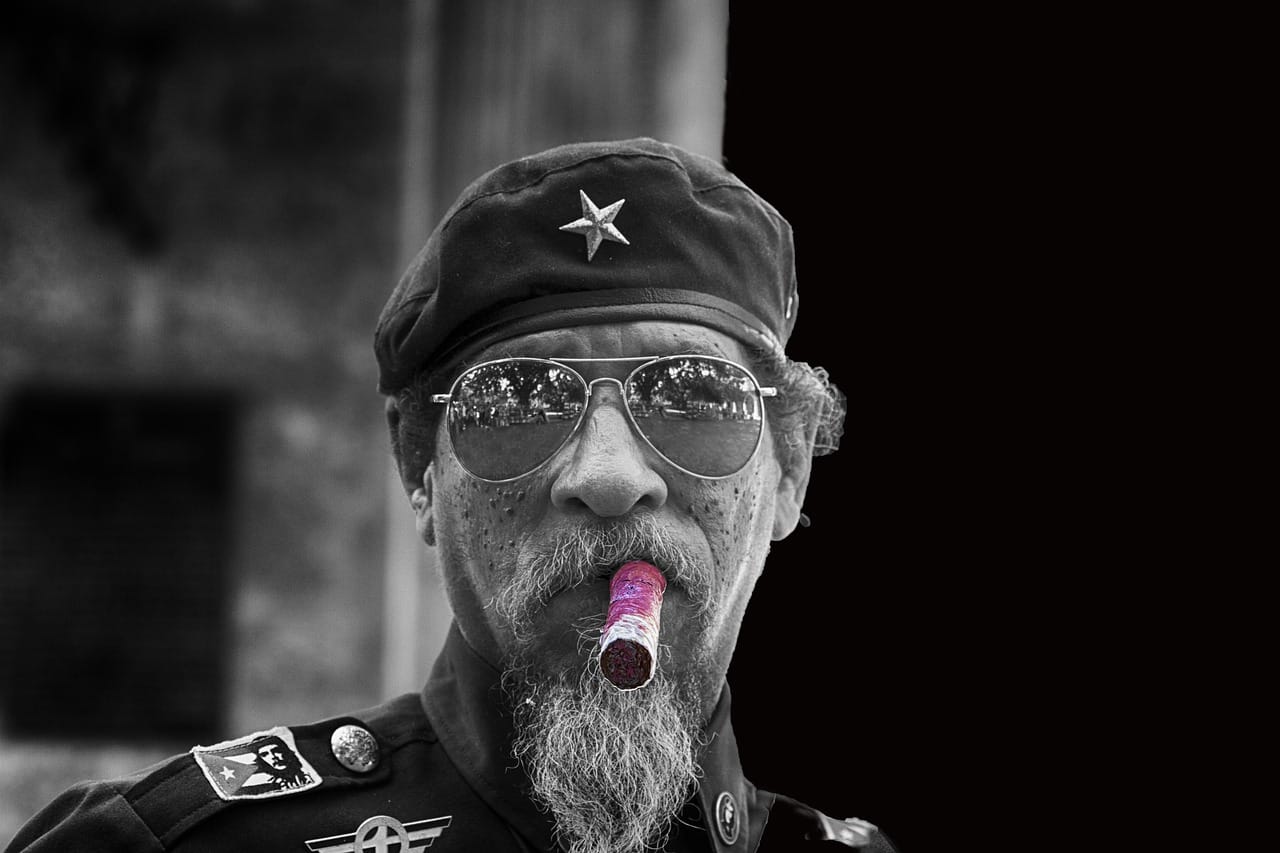
I asked before every portrait. Almost everyone said yes. Some wanted to chat first; a few wanted a copy, and I have since posted prints to eleven addresses. One man, a retired boxer called Ernesto, posed with the seriousness of a statesman and then laughed for two minutes afterwards.
The cars
Havana's vintage cars are its most famous image, and most of them are older than their drivers. Many date from the 1950s, kept running for seventy years with improvised parts, hand-made gaskets and engines borrowed from boats and tractors. Mechanics are local heroes. A good one can keep a car on the road indefinitely.
I spent a morning in a garage in Centro, watching two brothers rebuild the gearbox of a 1956 sedan using parts from three other cars and a piece of a washing machine. They did not want to be photographed at work, but they were happy for me to photograph the car when it was finished. It started first time.
Developing the rolls
I had the three rolls developed at home, by a lab I have used for years. Two frames were blank, both at the very start of the first roll, when I had not wound the film on properly. The rest came back slightly warmer than I expected, which suits the city. I have not edited them beyond basic dust removal. What you see is what the film saw.
What 106 frames teach
Looking at the contact sheets now, what strikes me is how few of the photographs are the ones I expected to take. The famous views are there, but they are the weakest. The best frames are small moments I almost missed: a hand on a door, a child asleep on a step, a man reading a newspaper in a barber's chair.
Limits force you to pay attention. And paying attention, it turns out, is most of photography.