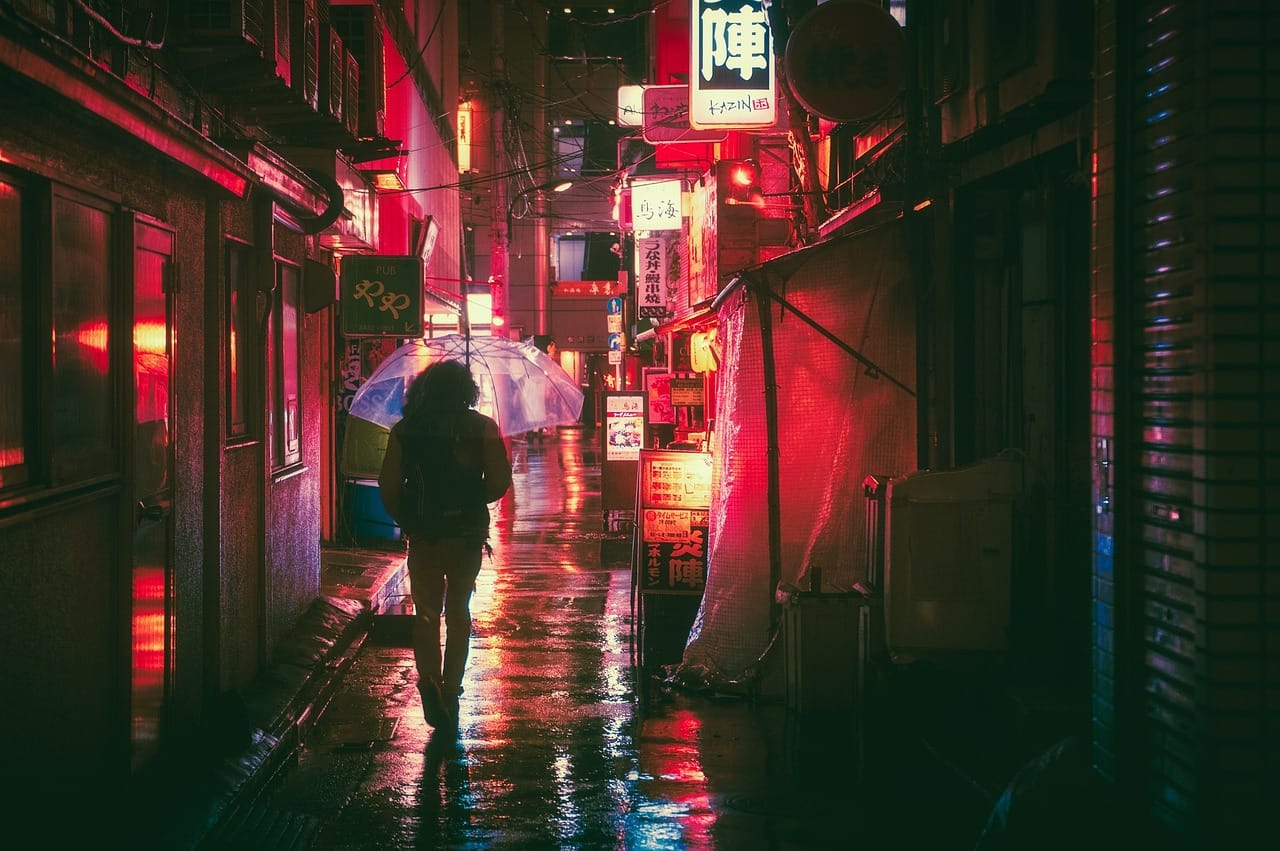
Neon and rain: a field guide
Three winters of getting soaked, condensed into a practical guide to the best light a city has.
 Kaito Mori
4 min read
Kaito Mori
4 min read
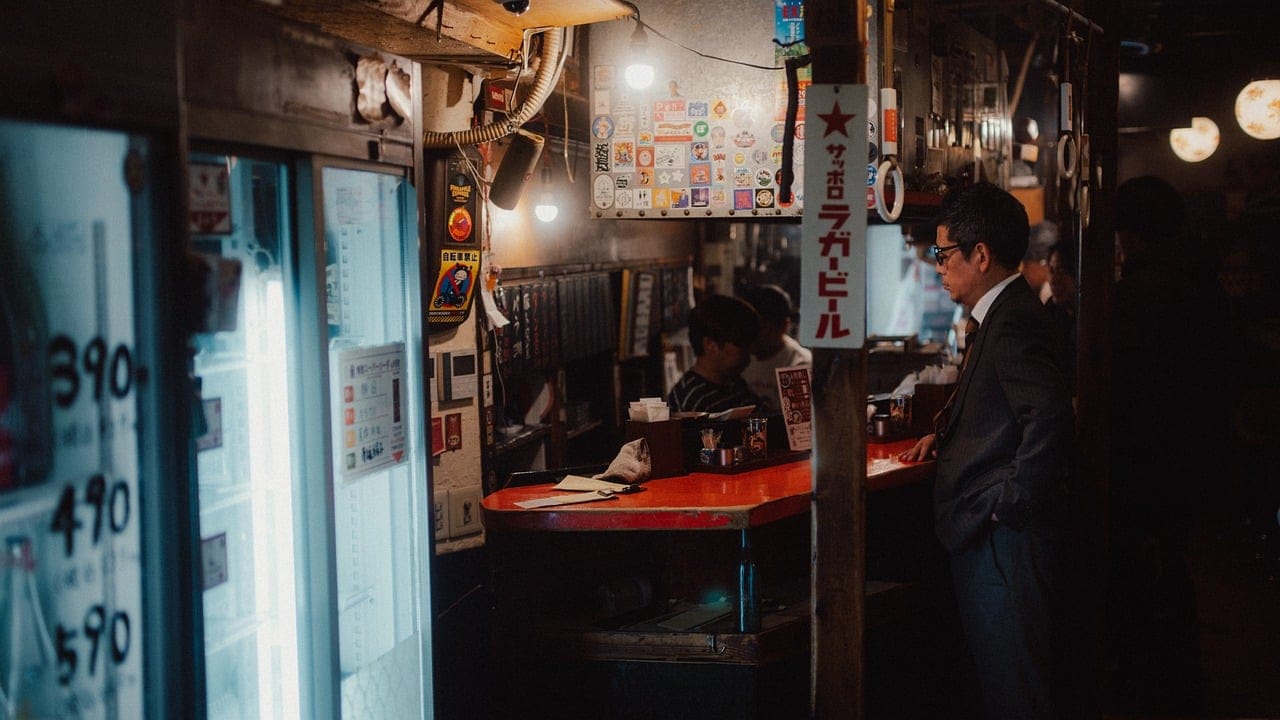
Rain is the night photographer's best friend. It turns every street into a mirror, doubles every light and makes even the dullest road look like a film set. On a wet night, a city you have walked a thousand times becomes somewhere new.
This is a practical guide to photographing neon and rain, built from three winters of getting soaked.
Why rain works
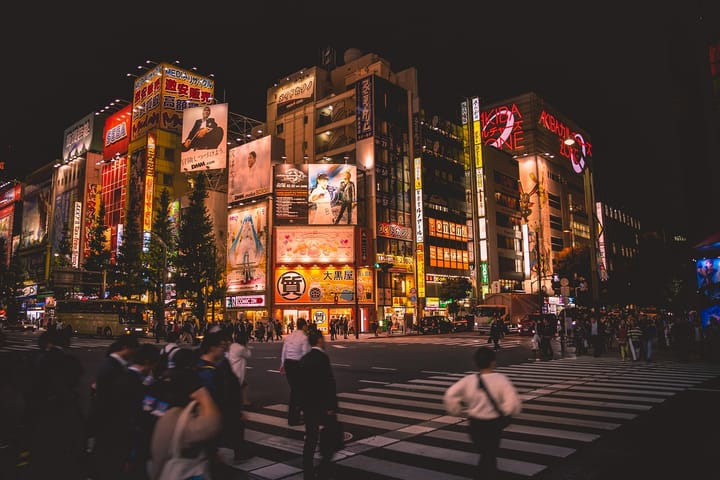
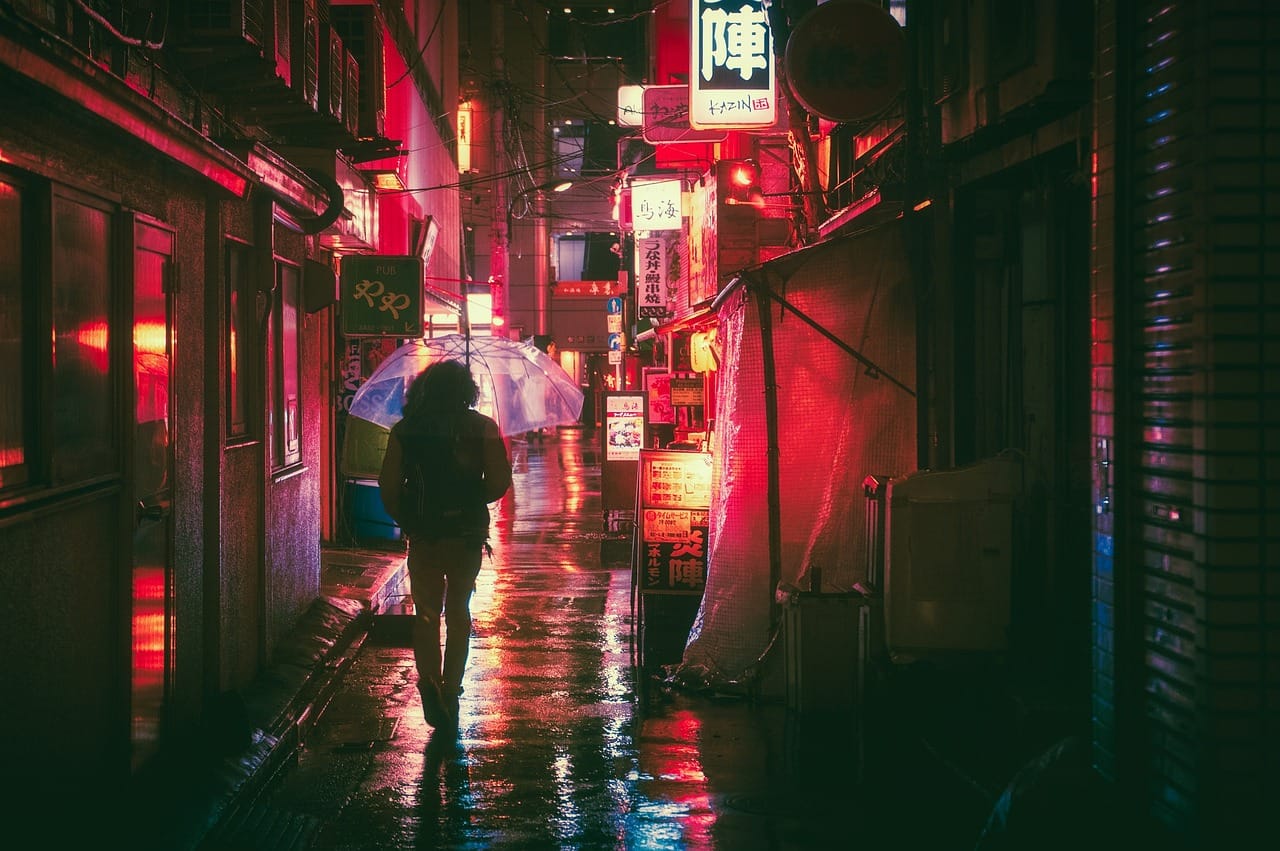
On a dry night, city lights are points in the dark. On a wet night, every surface reflects them. Pavements, car roofs, shop windows and puddles all become light sources. The contrast drops, the colours spread and the scene gains depth.
The effect is strongest just after heavy rain, when the ground is soaked but the air has cleared. During the rain itself, you get streaks and halos, which can be beautiful but make everything softer.
What to bring
- A camera that handles high ISO well. Most modern cameras and phones do.
- A fast lens, f/2 or brighter, for handheld shots.
- A cloth for the lens, and then another cloth, because the first one will be wet.
- A small umbrella you can hold with one hand, or a hood.
- Waterproof shoes. You will be standing in puddles.
Finding the reflection
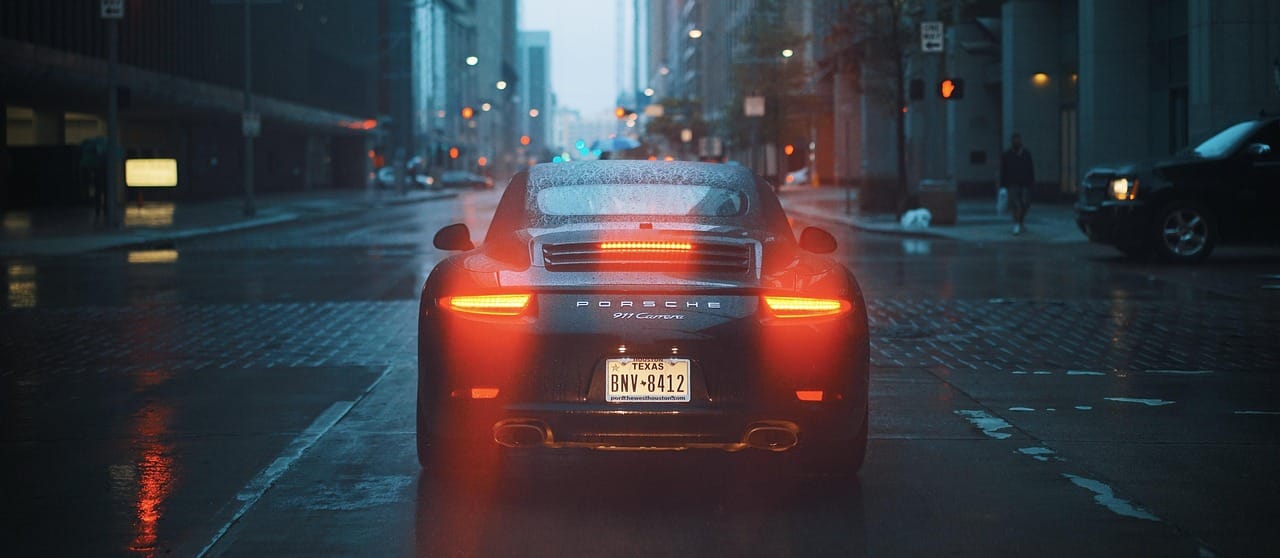
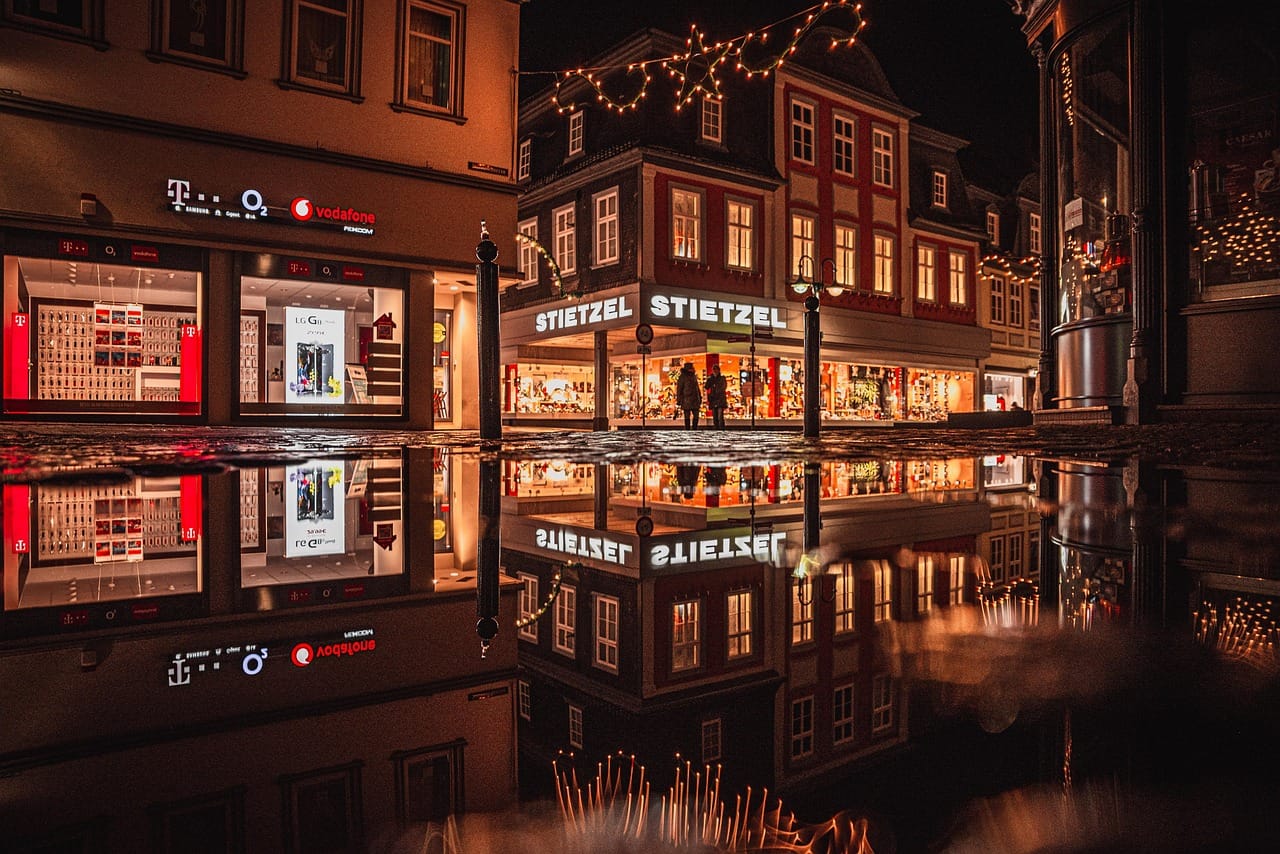
The secret to rain photography is getting low. A puddle photographed from standing height shows mostly pavement. The same puddle photographed from a few centimetres above the surface becomes a perfect mirror.
Look for puddles in front of bright signs, lit windows or strong colours. Get down, tilt the camera until the reflection fills the lower half of the frame, and wait for a person, a car or a cyclist to pass through.
The best photographs happen at puddle height. Your knees will not thank you.
Kaito Mori
Colour and white balance
Neon signs come in every colour, and modern LED signs are even brighter. Automatic white balance often tries to neutralise them, leaving the scene grey and lifeless. Set white balance manually to something between 3200K and 4000K, which keeps neon punchy and makes shadows cool and blue.
In editing, resist the temptation to push saturation. Rain photographs look best when the colours glow rather than shout.
People in the rain
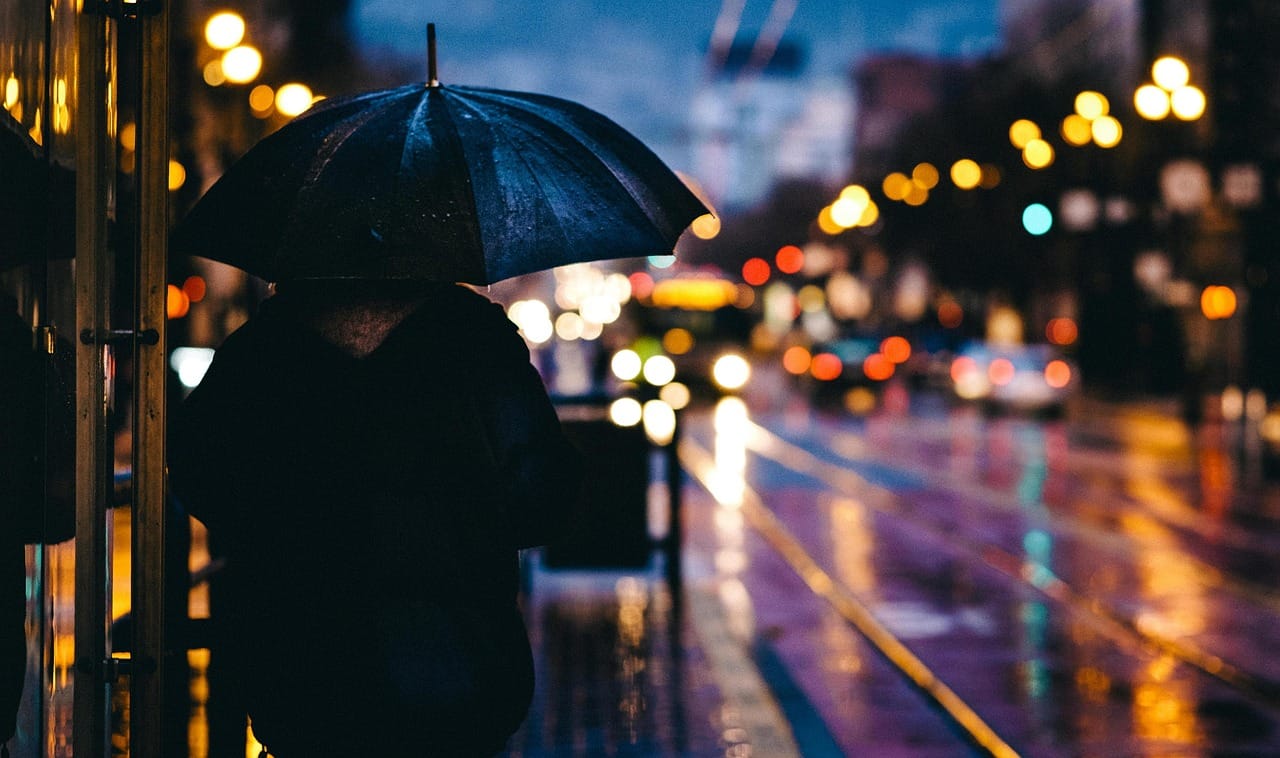
Rain changes how people move. They hurry, huddle under umbrellas, shelter in doorways. These moments make wonderful photographs, but be respectful. Photograph from a distance or ask. Nobody enjoys being photographed while soaked and grumpy.

Editing night photographs
Rain photographs benefit from a light touch in editing. Start by lowering the highlights, so bright signs keep their colour instead of burning to white. Lift the shadows only slightly: the darkness is part of the atmosphere. Then adjust white balance until the neon looks the way you remember it.
Noise is inevitable at high ISO. Modern noise reduction is excellent, but too much of it makes photographs look plastic. I prefer to keep a little grain. It gives night photographs a texture that feels closer to film.
Staying safe
Night photography, especially in the rain, means being out alone in places that are sometimes empty. Tell someone where you are going. Stick to areas you know. Keep your camera strap around your wrist and be aware of traffic: drivers see less in the rain, and a photographer crouching by a puddle is easy to miss.
Go out tonight
The next time the forecast says rain, do not stay in. Wait for the heaviest shower to pass, put on your worst shoes and go for a walk with a camera. The city will look like it never has before, and you will have it almost entirely to yourself.